
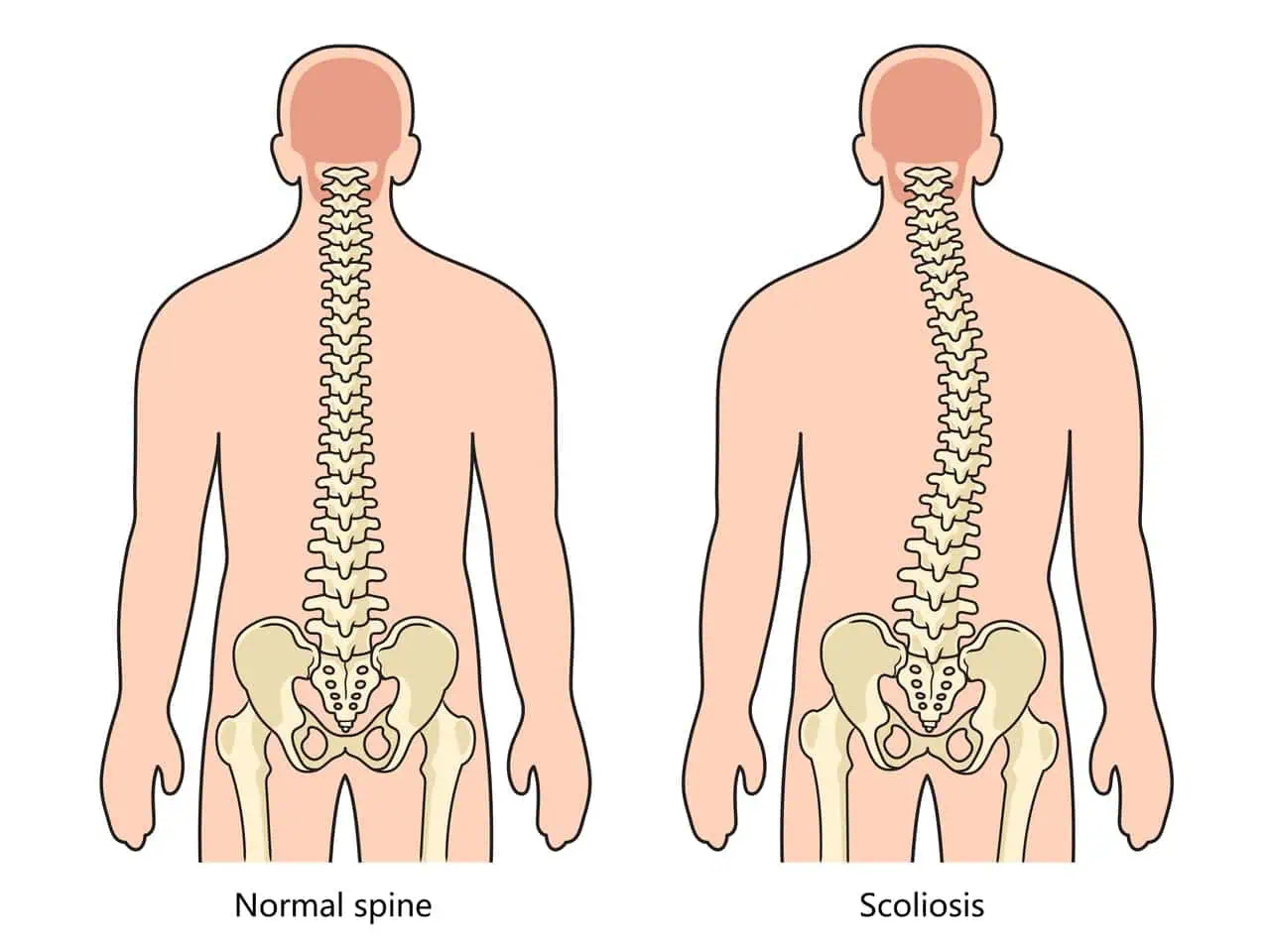
Scoliosis is a complex three-dimensional curvature of the spine that can develop gradually and quietly, often without causing pain or obvious changes at first. For many children and adolescents, scoliosis is discovered only after the curve has progressed significantly—sometimes when the physical appearance begins to change or when posture becomes noticeably uneven.
As a Schroth therapist and clinician working closely with individuals affected by scoliosis, I cannot emphasize enough how crucial early detection and early intervention truly are. The earlier a curve is identified, the better the outcome, and the more opportunity we have to influence spinal growth in a positive direction. At Cambridge Physiotherapy & Rehab Center, our commitment is to provide evidence-based, specialized care using the internationally recognized Schroth Method to help young patients reduce curve progression, improve posture, and maintain a healthy, functional spine throughout growth.


Why Early Intervention Matters
Scoliosis most commonly develops during periods of rapid growth—typically between ages 10 and 16. This is when the spine is most vulnerable to changes, and when curves can worsen quickly if left unmanaged. In many cases, a child may have a mild curve that is easily correctable with exercise-based interventions like the Schroth Method—but if that same curve is ignored, it may progress to the point where more invasive treatments such as bracing or even surgery become necessary.
“It’s imperative for individuals, parents, and healthcare providers to recognize the signs of scoliosis in children early on,” says Luke Stikeleather, Chief Orthotist and Founder of National Scoliosis Center. “By identifying scoliosis in its early stages, we have the opportunity to implement conservative treatments that can halt or minimize progression and potentially improve curves, sparing patients from invasive surgeries and potential complications later in life.”
Early intervention allows us to:
1. Influence the Spine During Growth
When a child is still growing, the spine is more adaptable. Schroth exercises, posture correction, and breath expansion techniques can guide the spine into a more optimal alignment and prevent worsening of the curve. Even a few months can make a significant difference, which is why early detection is essential.
2. Minimize Curve Progression
Research on the Schroth Method consistently shows that supervised physiotherapy can reduce the rate of curve progression in adolescents with idiopathic scoliosis. Starting treatment at the earliest sign of change provides the best opportunity to influence spinal rotation, rib prominence, shoulder imbalance, and pelvic alignment.
3. Avoid Unnecessary Bracing or Surgery
While bracing is effective for moderate curves and surgery may be required for severe curves, many children fall into a range where skilled physiotherapy could prevent escalation. When treatment begins early, the Schroth Method is often enough to support a healthy spine without more aggressive interventions.
4. Promote Confidence and Body Awareness
Scoliosis can impact self-esteem, especially during adolescence. Early guidance from a trained Schroth therapist helps children understand their posture, improve body awareness, and gain confidence knowing they are actively managing their condition.
What Parents, Teachers, and Coaches Should Watch For
Scoliosis is often first detected not by physicians, but by parents, teachers, coaches, or family members who notice subtle asymmetries. Many of these early signs develop slowly over time, making them easy to miss unless you know what to look for.
Here are the key indicators that may suggest the early stages of scoliosis:
1. Uneven Shoulders
One shoulder may sit higher than the other, or appear slightly forward. This is often one of the earliest signs and can be visible from the front or back.
2. Shoulder Blade Prominence
A shoulder blade that sticks out more noticeably on one side—especially during movement—may indicate spinal rotation associated with scoliosis.
3. Uneven Waist or Hips
Parents may notice that the waistline looks imbalanced or that one hip appears higher or more pronounced.
4. Clothing Not Hanging Evenly
Shirts twisting to one side, pant legs appearing uneven, or tops that constantly slide may suggest a shift in posture.
5. The Forward Bend Test
Have the child bend forward at the hips with arms hanging down. If one side of the rib cage appears higher than the other (a rib hump), or if the lower back looks uneven, this may be a sign of scoliosis.
6. Changes in Posture or Movement Patterns
A child may lean more to one side, complain of fatigue after short periods of sitting or standing, or feel discomfort during sports.
If you observe any of these signs, even if they seem subtle, it is better to investigate sooner rather than later. Waiting allows curves to progress, especially during periods of rapid growth.
Why You Should Not Wait to Start the Schroth Program
Parents sometimes hesitate, hoping their child will grow out of the posture changes or assuming minor asymmetries are normal. Unfortunately, scoliosis does not improve on its own. Mild curves can progress quickly, particularly during growth spurts.
Here is why starting the Schroth Method early is so important:
1. The Schroth Method is Most Effective in Mild to Moderate Curves
The earlier we start, the more influence we can have on spinal behavior. While Schroth can still help in larger curves, the best outcomes consistently come from beginning early.
2. Delaying Treatment Can Allow Curves to Worsen
Small curves rarely remain small without intervention. If scoliosis progresses beyond 20–25 degrees, bracing may become necessary. Early Schroth therapy has the potential to keep curves below this threshold.
3. Early Treatment Reduces the Physical and Emotional Impact
With early intervention, children can maintain better posture, avoid compensatory movement patterns, and feel more confident in their appearance.
4. No Physician Referral Needed
Parents often believe they must wait for a referral to see a physiotherapist specializing in scoliosis. This is not necessary. At Cambridge Physiotherapy & Rehab Center, families can book directly with a Schroth therapist for early assessment.
How the Schroth Method Helps
The Schroth Method is a specialized, evidence-based approach designed specifically for scoliosis. Unlike general physiotherapy exercises, Schroth is a three-dimensional correction system that addresses the unique curve pattern of each child.
Treatment includes:
- Postural corrections tailored to the child’s curve
- Breathing techniques to expand the collapsed side of the rib cage
- Muscle activation and strengthening of weakened areas
- Elongation techniques to reduce spinal compression
- Education for parents and teens on daily posture habits
The goal is not just to improve posture in the clinic, but to teach children how to carry their corrected posture into daily life—during school, sports, studying, and rest.
What to Expect During an Early Assessment
At Cambridge Physiotherapy & Rehab Center, our early scoliosis assessment is detailed and comprehensive. It typically includes:
- A full postural analysis
- Measurement of spinal curvature using clinical tools
- Photos to track progression
- Education for parents and children
- A customized outline of the Schroth program specific to the curve pattern
We take the time to ensure families understand the nature of scoliosis, what to expect over time, and how the Schroth Method can help.
Do Not Wait. The Spine Does Not Pause Its Growth.
If you are a parent, caregiver, teacher, or coach who has concerns—even small ones—early screening is the most important step you can take. Scoliosis is far easier to manage before the curve progresses. Every month matters during adolescent growth.
At Cambridge Physiotherapy & Rehab Center, we specialize in early intervention and Schroth-based physiotherapy to support healthy spinal development and prevent curve progression.
If you suspect your child may be developing scoliosis, do not wait. We offer a no-charge phone consultation to answer your questions and guide you on next steps.
You can also book an in-person early scoliosis assessment with our certified Schroth therapists—no Physician referral required.
Contact Cambridge Physiotherapy & Rehab Center today and let us help your child build a stronger, more balanced future.
References:
Center, N. S. (2024, May 27). Early Detection is Crucial in Scoliosis Management | National Scoliosis Center. National Scoliosis Center. https://nationalscoliosiscenter.com/blog/scoliosis-insights/early-detection-is-crucial-in-scoliosis-management/