
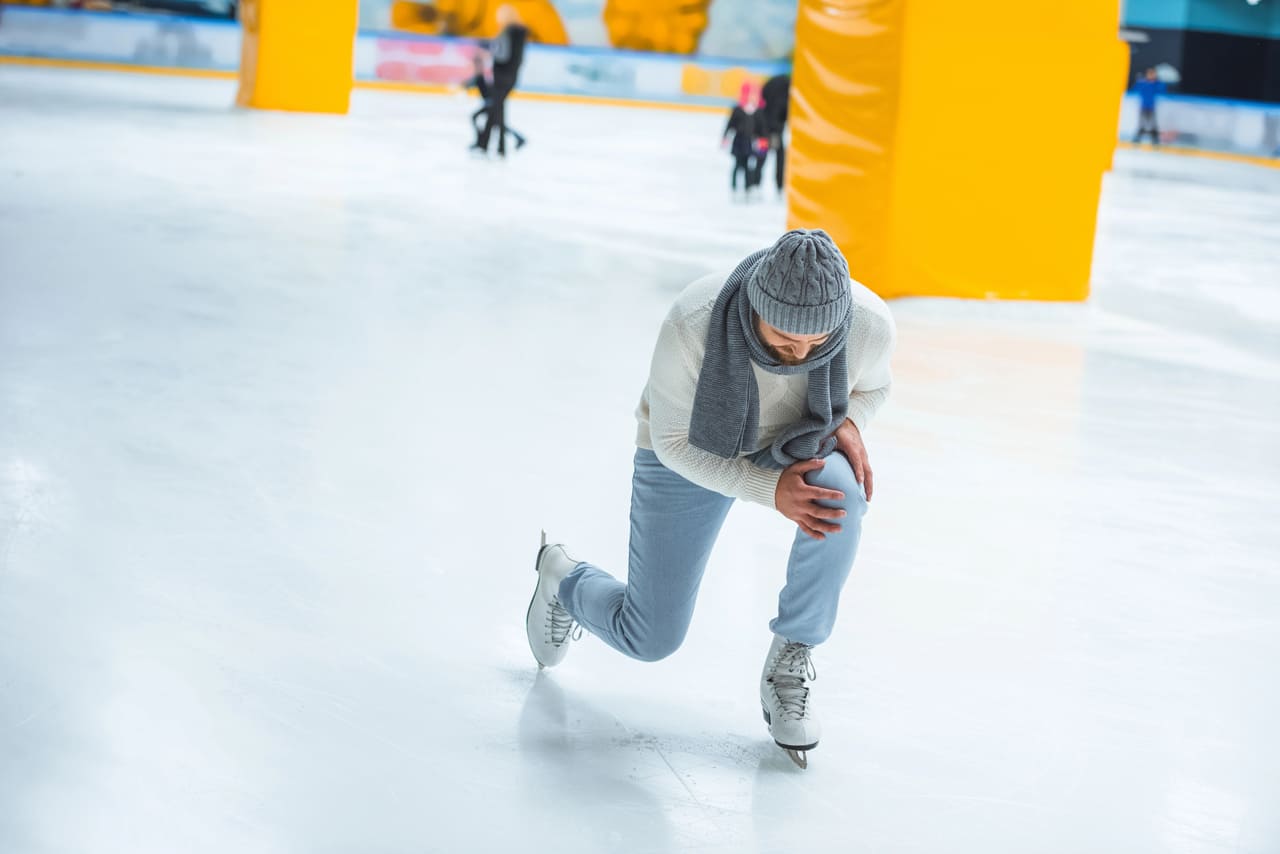
Winter in Canada can be beautiful—but for many people, it also brings an unwelcome companion: increased aches, pains, and stiffness. If you’ve noticed your joints feel sorer, your muscles tighter, or old injuries acting up during the colder months, you’re not imagining it. At Cambridge Physiotherapy & Rehab Center, we hear this concern every winter from patients seeking Physiotherapy in Cambridge, especially here around Langs Drive and the surrounding community.
Let’s explore why aches and pains feel worse in winter and, more importantly, what you can do about it to stay active, comfortable, and healthy all season long.
Why Cold Weather Makes Pain Feel Worse
1. Cold Temperatures Increase Muscle and Joint Stiffness
When temperatures drop, your body naturally tries to conserve heat by narrowing blood vessels (a process called vasoconstriction). While this helps maintain core temperature, it reduces blood flow to your muscles and joints. Less blood flow means less oxygen and nutrients reaching tissues, making muscles tighter and joints stiffer.
This stiffness can:
- Reduce range of motion
- Make movements feel more difficult
- Increase the risk of strains or flare-ups
People with arthritis, chronic pain, or previous injuries often feel this effect more strongly.
2. Changes in Barometric Pressure Can Affect Joints
Many people report increased joint pain before or during cold, stormy weather. One theory involves barometric pressure—when pressure drops, tissues may expand slightly, increasing pressure inside joints. For joints already affected by inflammation, arthritis, or past injuries, this change can trigger discomfort.
While research is ongoing, clinically we see a clear pattern: winter often brings more joint-related complaints, especially in the knees, hips, shoulders, and spine.
3. Reduced Circulation Leads to More Discomfort
Good circulation keeps tissues warm, flexible, and nourished. In winter, reduced circulation can lead to:
- Achy muscles
- Increased nerve sensitivity
- Slower healing and recovery
Cold hands, feet, and stiff joints are common signs. This is especially relevant for individuals who are less active during winter or spend long hours sitting at a desk.
4. Less Activity Means More Pain
Winter often leads to a more sedentary lifestyle. Shorter days, icy sidewalks, and cold temperatures can reduce overall movement. Unfortunately, less movement often means:
- Weaker muscles
- Reduced joint lubrication
- Increased stiffness and pain
Ironically, avoiding movement due to pain can actually make pain worse over time.
5. Old Injuries Tend to “Speak Up” in Winter
Scar tissue from old injuries is often less flexible than healthy tissue. In cold weather, this stiffness becomes more noticeable, causing previous injuries—like ankle sprains, back injuries, or shoulder problems—to flare up.
This is one of the most common reasons patients seek physiotherapy in Cambridge during the winter months.
What You Can Do About Winter Aches and Pains
The good news? You don’t have to accept winter pain as inevitable. There are proven ways to manage and reduce discomfort.
1. Stay Moving—Even When It’s Cold
Gentle, consistent movement is one of the best ways to combat stiffness. Activities such as:
- Walking indoors or on cleared paths
- Stretching routines
- Light strengthening exercises
help maintain joint lubrication and muscle flexibility.
A physiotherapist can design a personalized winter exercise program tailored to your body, fitness level, and any existing conditions.
2. Warm Up Before Activity
Cold muscles are more prone to injury. Before exercising, shoveling snow, or even heading out for errands:
- Do light dynamic stretches
- Move joints through their range of motion
- Take 5–10 minutes to warm up
This simple habit can significantly reduce winter-related injuries.
3. Manage Pain Early with Physiotherapy
One of the biggest mistakes people make is waiting too long to address pain. Early intervention with Cambridge Physio can:
- Reduce inflammation
- Improve circulation
- Restore mobility
- Prevent minor issues from becoming chronic problems
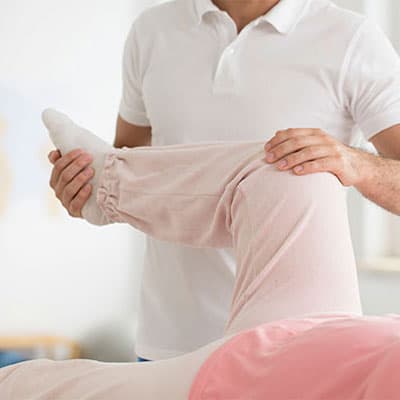
Physiotherapy treatments may include manual therapy, targeted exercises, mobility work, education, and pain-relief modalities.
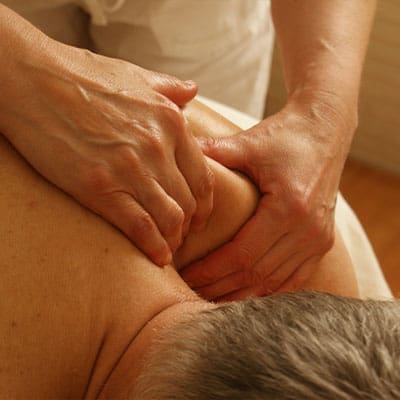
4. Massage Therapy for Circulation and Muscle Tension
Massage therapy is an excellent complement to physiotherapy in winter. It helps:
- Improve blood flow
- Reduce muscle tension
- Decrease stress-related tightness
- Promote relaxation and recovery
Regular massage can make a noticeable difference for those experiencing winter stiffness or chronic pain.
5. Pay Attention to Joint Health
Joint health is crucial during colder months. Strengthening the muscles that support your joints helps reduce strain and improve stability. Physiotherapy focuses on:
- Improving joint mechanics
- Strengthening surrounding muscles
- Correcting movement patterns
This is especially important for individuals with arthritis or recurring joint pain.
6. Keep Your Body Warm
Simple habits can help reduce pain:
- Dress in layers
- Keep joints warm with gloves, scarves, or braces
- Use heat packs for sore areas (as recommended by your therapist)
Warmth helps relax muscles and improve circulation, making movement easier.
When to Seek Professional Help
If winter aches and pains are:
- Persistent
- Worsening
- Limiting your daily activities
- Affecting your sleep or mood
…it’s time to seek professional care. Physiotherapy isn’t just for injuries—it’s also about maintaining mobility, preventing pain, and keeping you active year-round.
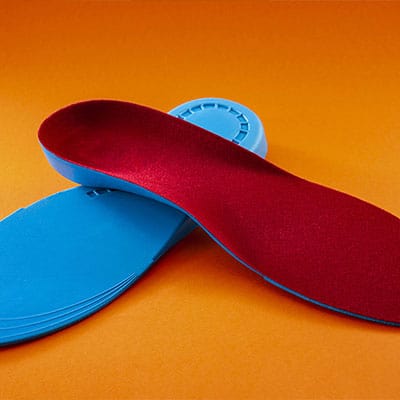
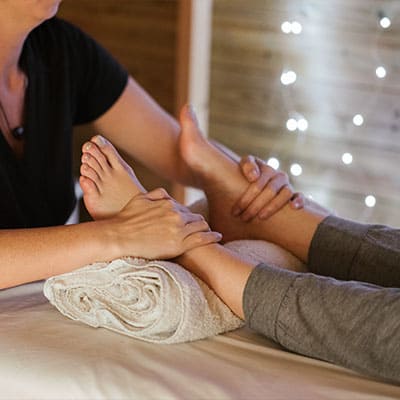
At Cambridge Physio, our team offers Physiotherapy, Massage Therapy, and Foot Care to support your health through every season. Conveniently located near Industrial Road & Langs Drive, we proudly serve the Cambridge community with personalized, compassionate care.
Take Control of Winter Pain Today
You don’t have to “just live with it” this winter. With the right guidance and treatment, you can move better, feel stronger, and stay active—even in the coldest months.
- Book your appointment today at www.cambridgephysio.ca
- Call us at 519-219-5428
Let Cambridge Physio help you beat winter stiffness and get back to living pain-free.