Amyotrophic lateral sclerosis (ALS) is a progressive neurological condition that affects muscle strength, movement, and functional independence. At Cambridge Physiotherapy & Rehab Center, neurological physiotherapy focuses on maintaining mobility, supporting daily function, and helping individuals adapt safely as physical abilities change over time.
Understanding ALS
ALS is a neurodegenerative disease that affects motor neurons in the brain and spinal cord, leading to progressive muscle weakness and loss of voluntary movement. As these motor neurons deteriorate, the brain’s ability to send signals to muscles becomes impaired. ALS is often misunderstood as only affecting limb strength, but it can also influence posture, balance, breathing mechanics, and overall functional endurance.
The condition commonly impacts both upper and lower limbs, as well as trunk stability, which plays a key role in sitting balance and functional movement. As muscle weakness progresses, maintaining efficient biomechanics becomes increasingly important to reduce fatigue, joint stress, and secondary complications. Physiotherapy aims to preserve movement capacity, promote comfort, and support safe participation in daily activities.
ALS Symptoms
Symptoms of ALS can vary between individuals and progress at different rates. Common movement-related symptoms include:
- Progressive muscle weakness in the arms or legs
- Difficulty with walking, balance, or coordination
- Muscle stiffness, cramps, or spasticity
- Reduced endurance and early fatigue during activity
- Challenges with posture, transfers, or functional tasks
What Causes ALS?
The exact cause of ALS is not fully understood, and it is believed to develop due to a combination of factors rather than a single trigger. Contributing factors may include:
- Degeneration of motor neurons affecting voluntary muscle control
- Genetic mutations in a small percentage of cases
- Abnormal protein accumulation affecting nerve function
- Inflammatory or metabolic changes within the nervous system
- Interaction of genetic and environmental influences
Our Approach to ALS Physiotherapy
At Cambridge Physiotherapy & Rehab Center, located on Langs Drive, physiotherapy for ALS is guided by an individualized, supportive approach that adapts as needs change. Treatment focuses on preserving functional abilities for as long as possible, promoting safe movement, and enhancing comfort and quality of life through evidence-informed neurological care.
Comprehensive Neurological Assessment
Physiotherapy begins with a detailed assessment of strength, range of motion, posture, balance, and functional abilities such as walking, transfers, and sitting tolerance. Therapists also consider fatigue levels, respiratory considerations, and safety risks. Ongoing reassessment is essential to ensure the treatment plan remains appropriate as physical abilities evolve.

Customized Physiotherapy Treatment Strategies
Physiotherapy for ALS emphasizes maintaining function and preventing secondary complications. Treatment strategies may include:
- Therapeutic and supportive exercises: Gentle, targeted exercises to maintain mobility, joint range, and muscle activation without excessive fatigue
- Balance and mobility training: Strategies to support safe walking, transfers, and posture as strength changes
- Manual therapy: Hands-on techniques to manage stiffness, discomfort, and joint mobility
- Functional task training: Practice and adaptation of daily activities to support independence and safety
- Activity and lifestyle modification: Guidance on energy conservation, pacing, and use of adaptive strategies or assistive devices
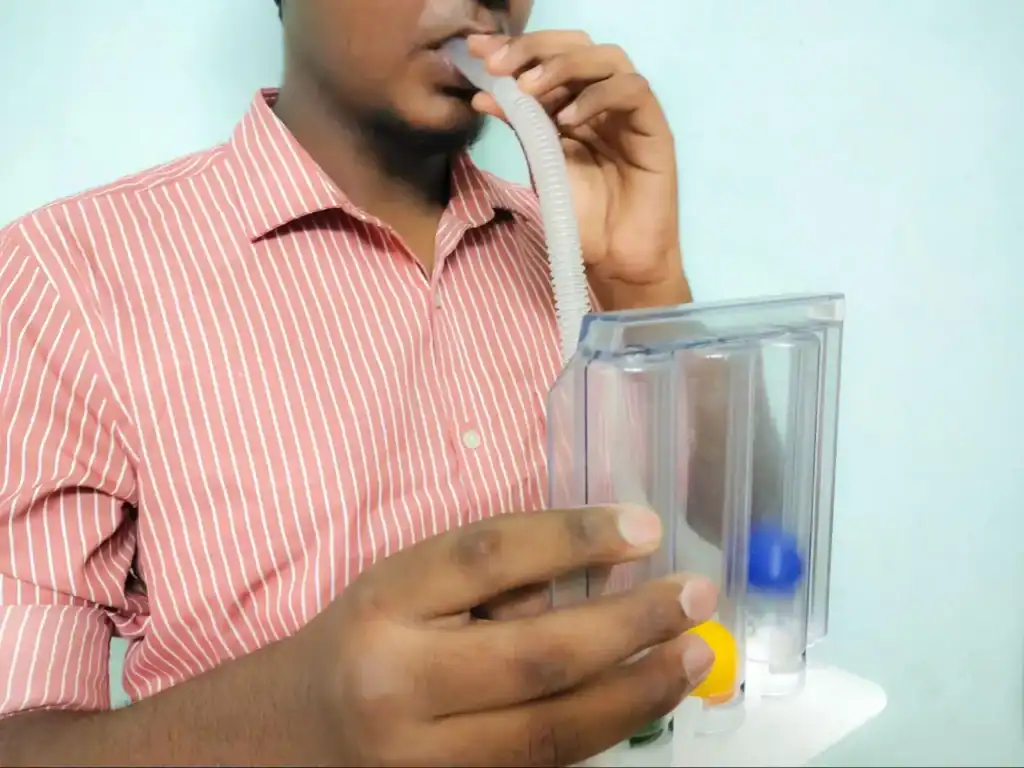
- Education and training with breathing difficulty: As the muscles involved in breathing get weaker, a Physiotherapist can teach you techniques on clearing your airways and helping you breathe better.
Education and Ongoing Support
Education is central to physiotherapy care for ALS. Individuals and caregivers receive guidance on safe movement strategies, home exercises, positioning, and fatigue management. Education also focuses on recognizing when activity levels need adjustment and how to reduce strain on weakened muscles, helping to support comfort and function over time.
Our Comprehensive Services
Why Choose Cambridge Physiotherapy & Rehab Center?
Cambridge Physiotherapy & Rehab Center provides compassionate, evidence-based neurological physiotherapy tailored to individuals living with ALS. Care focuses on functional support, clear communication, and adapting treatment to changing needs while prioritizing dignity and quality of life.
Our Commitment to Care
- Professional and compassionate care
- Modern neurological physiotherapy techniques
- Focus on education and long-term functional outcomes
Supporting Function and Quality of Life
Physiotherapy can play an important role in supporting mobility, comfort, and daily function for individuals with ALS. If you are seeking ALS treatment, Cambridge Physiotherapy & Rehab Center can help you access ongoing, individualized neurological physiotherapy care. Contact us today to get started!
Personalized Care for Common Neurological Conditions
|
|
ALS Treatment Cambridge FAQs
Can Physiotherapy Help Slow the Progression of ALS?
Physiotherapy does not slow the progression of ALS itself, as it is a progressive neurological condition. However, physiotherapy can help manage symptoms, maintain mobility, and reduce secondary complications such as joint stiffness, pain, or deconditioning. The focus is on preserving function for as long as possible and supporting comfort and safety as abilities change.
Is Exercise Safe for Someone With ALS?
Exercise can be safe and beneficial when carefully prescribed and monitored by a physiotherapist. Programs are typically gentle and focus on maintaining movement and joint mobility without causing excessive fatigue or muscle strain. Overexertion can be counterproductive, which is why individualized guidance and pacing are essential for people with ALS.
How Does Physiotherapy Support Daily Activities With ALS?
Physiotherapy helps individuals adapt daily activities by improving movement efficiency, recommending safe strategies for transfers and mobility, and advising on energy conservation. Functional task training and education can make everyday tasks more manageable and reduce the risk of falls or overuse injuries as strength changes.
When Should Physiotherapy Begin After ALS Identification?
Physiotherapy can be beneficial soon after identification to establish baseline function, educate on safe movement, and plan for future changes. Early involvement allows for proactive management, ongoing reassessment, and timely adjustments to care as the condition progresses.