
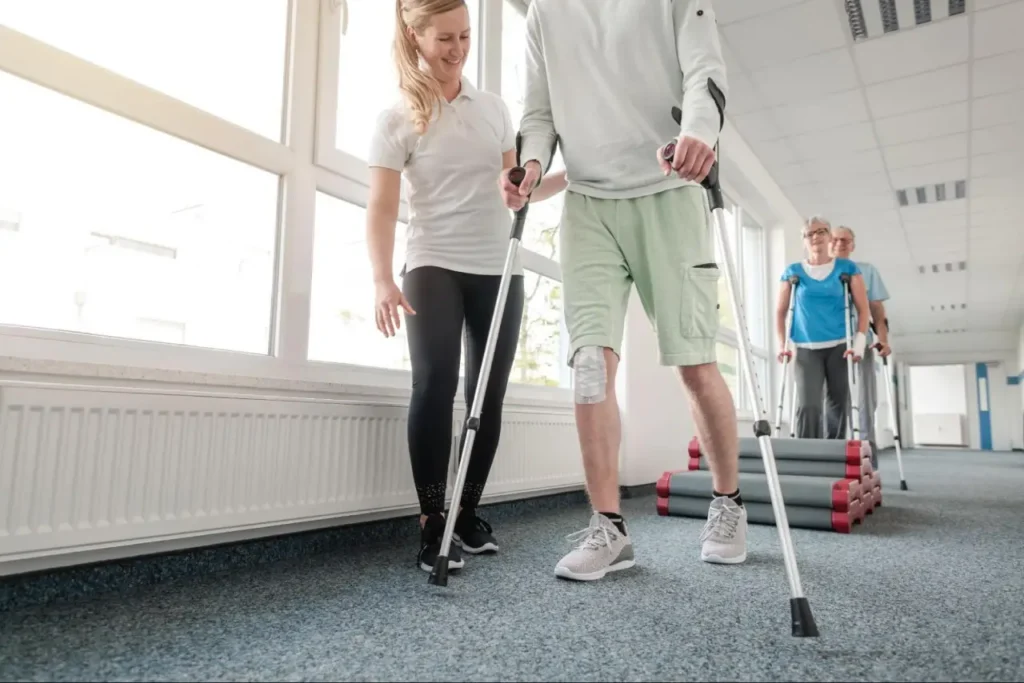
Ataxia is a neurological condition that affects coordination, balance, and movement control, often making everyday activities more challenging. At Cambridge Physiotherapy & Rehab Center, located on Langs Drive, neurological physiotherapy focuses on improving movement efficiency, stability, and functional independence through individualized, assessment-led care.
Understanding Ataxia
Ataxia refers to a group of neurological disorders characterized by impaired coordination of voluntary movements. It is not a condition itself, but a symptom of underlying neurological dysfunction, often involving the cerebellum or its connections. Ataxia can affect walking, arm and hand movements, speech-related muscle control, and balance. It is frequently misunderstood as simple weakness, when in fact it reflects disrupted timing, accuracy, and control of movement.
The cerebellum plays a key role in coordinating posture, balance, and smooth, precise motion. When this system is affected, movements may become unsteady, exaggerated, or poorly timed. Changes in biomechanics and postural control can increase fall risk and fatigue. Physiotherapy aims to retrain movement strategies, improve stability, and help individuals move more safely and confidently.
Ataxia Symptoms
Symptoms of ataxia can vary depending on the cause and severity but commonly include:
- Unsteady or wide-based walking pattern
- Poor balance or frequent loss of stability
- Reduced coordination of the arms or hands
- Difficulty with precise movements or fine motor tasks
- Increased effort or fatigue during movement
What Causes Ataxia?
Ataxia can develop due to a range of neurological conditions and contributing factors. Identifying the underlying cause is important for management and rehabilitation. Common causes include:
- Damage or dysfunction of the cerebellum
- Stroke or traumatic brain injury affecting coordination centers
- Degenerative neurological conditions
- Genetic or hereditary neurological disorders
- Infections, inflammation, or toxic exposure affecting the nervous system
Our Approach to Treating Ataxia
At Cambridge Physiotherapy & Rehab Center, physiotherapy for ataxia is guided by an individualized neurological rehabilitation approach. Treatment focuses on improving movement control, enhancing balance and coordination, and supporting functional independence through structured, goal-oriented physiotherapy.
Comprehensive Neurological Assessment
Physiotherapy begins with a detailed assessment of balance, coordination, posture, gait, strength, and functional tasks such as transfers and reaching. Therapists also assess movement quality, fatigue, and safety during daily activities. This comprehensive evaluation guides the development of a personalized treatment plan tailored to the individual’s abilities, challenges, and goals.
Customized Physiotherapy Treatment Strategies
Physiotherapy treatment for ataxia is tailored to each individual and may include:
- Therapeutic and corrective exercises: Exercises to improve strength, postural control, and movement accuracy
- Balance and gait training: Targeted activities to enhance stability, weight shifting, and walking confidence
- Coordination and motor control training: Structured practice to improve timing, precision, and smoothness of movement
- Manual therapy: Hands-on techniques to support joint mobility, alignment, and movement comfort
- Activity and lifestyle modification: Guidance on pacing, environmental safety, and adaptive strategies to reduce fall risk
Education and Long-Term Management
Education is an essential part of managing ataxia. Physiotherapists provide guidance on safe movement strategies, home exercise programs, and fall prevention. Education also helps individuals understand how to pace activities, manage fatigue, and adapt tasks to maintain independence and reduce the risk of injury over time.
Our Comprehensive Services
Why Choose Cambridge Physiotherapy & Rehab Center?
Cambridge Physiotherapy & Rehab Center provides evidence-based neurological physiotherapy focused on individualized assessment, functional improvement, and long-term management. Care emphasizes education, safety, and practical strategies to support confident movement and daily function.
Our Commitment to Care
- Professional and compassionate care
- Modern neurological physiotherapy techniques
- Focus on education and long-term functional outcomes
Supporting Balance, Coordination, and Daily Function
Physiotherapy can play an important role in improving balance, coordination, and quality of life for individuals with ataxia. If you are seeking ataxia treatment, booking an appointment at Cambridge Physiotherapy & Rehab Center can support safer movement and ongoing functional independence.
Personalized Care for Common Neurological Conditions
|
|
Ataxia Treatment Cambridge, ON FAQs
Can Physiotherapy Help Improve Coordination in Ataxia?
Physiotherapy can help improve movement control and coordination by focusing on task-specific training and repeated practice of controlled movements. While the underlying neurological condition may remain, physiotherapy aims to enhance movement efficiency, reduce instability, and improve confidence during daily activities. Progress depends on the cause and severity of ataxia, but functional improvements are often achievable with consistent rehabilitation.
Is Exercise Safe for People With Ataxia?
Exercise is generally safe when guided by a physiotherapist experienced in neurological rehabilitation. Programs are designed to account for balance challenges, fatigue, and movement control issues. Supervised exercise helps reduce fall risk and ensures activities are appropriately progressed to support safe and effective movement.
How Does Physiotherapy Help With Walking Difficulties in Ataxia?
Physiotherapy addresses walking difficulties by focusing on balance, posture, step control, and weight shifting. Gait training may include supported walking, balance challenges, and coordination drills to improve stability and confidence. Over time, this can help reduce falls and improve mobility in daily environments.
When Should Physiotherapy Begin for Ataxia?
Physiotherapy can be beneficial as soon as ataxia begins to affect balance, coordination, or daily function. Early intervention helps establish safe movement strategies and prevent secondary complications, while ongoing therapy supports adaptation and functional maintenance over time.