
Bell’s palsy and other forms of facial palsy can cause sudden weakness or paralysis of the facial muscles, affecting expression, speech, and daily comfort. At Cambridge Physiotherapy & Rehab Center, located on Langs Drive, physiotherapy focuses on restoring facial movement, improving muscle control, and supporting safe, gradual recovery through individualized neurological care.
Understanding Bell’s Palsy and Facial Palsy
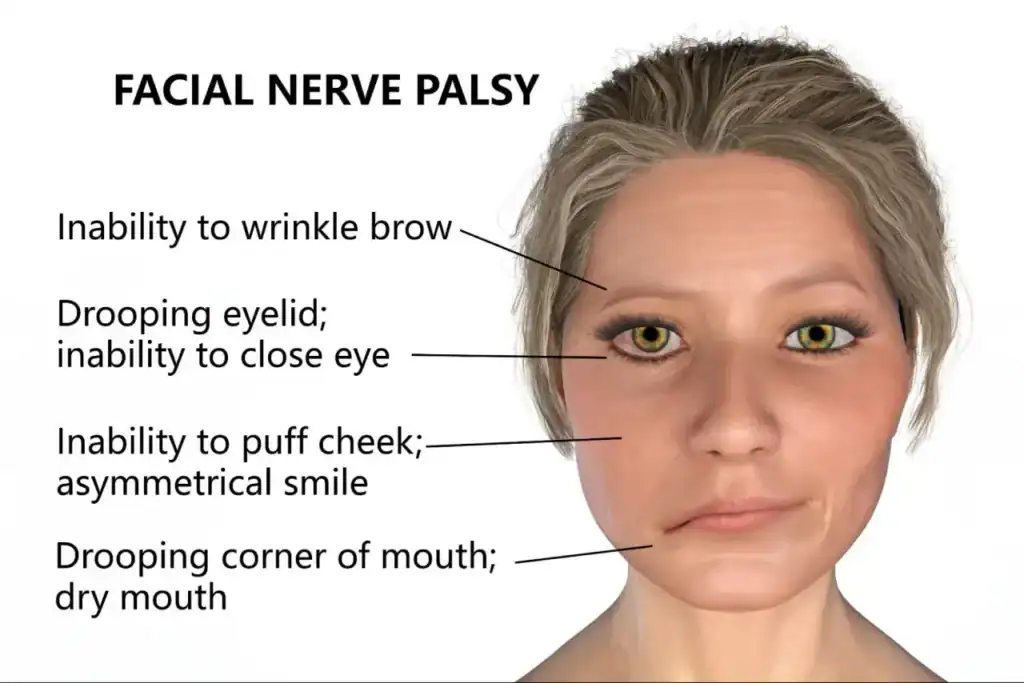
Bell’s palsy is a form of facial palsy caused by dysfunction of the facial nerve (cranial nerve VII), leading to weakness or paralysis on one side of the face. Facial palsy can also result from other causes such as infection, trauma, or neurological conditions. The condition is often misunderstood as purely cosmetic, but facial nerve involvement can significantly affect eye closure, eating, speaking, and emotional expression.
The facial nerve controls complex, coordinated muscle activity required for facial symmetry and expression. When nerve signalling is disrupted, muscles may weaken, move inefficiently, or activate at inappropriate times. Physiotherapy plays an important role in guiding safe muscle activation, reducing compensatory patterns, and supporting coordinated facial movement as nerve function recovers.
Symptoms of Bell’s Palsy / Facial Palsy
Symptoms can vary in severity and progression but commonly include:
- Sudden weakness or paralysis on one side of the face
- Difficulty closing the eye or blinking
- Drooping of the mouth or altered facial symmetry
- Changes in speech clarity or eating control
- Facial tightness, discomfort, or altered sensation
What Causes Bell’s Palsy and Facial Palsy?
Facial palsy can develop due to several contributing factors and often requires careful assessment. Common causes include:
- Inflammation or irritation of the facial nerve, often linked to viral infection
- Reduced blood supply affecting nerve function
- Trauma or compression affecting the facial nerve pathway
- Post-surgical or post-infectious nerve involvement
- Neurological conditions affecting cranial nerve control
Our Approach to Treating Facial Palsy
At Cambridge Physiotherapy & Rehab Center, treatment for Bell’s palsy and facial palsy is guided by an individualized, neurological physiotherapy approach. Care focuses on promoting appropriate muscle activation, preventing maladaptive movement patterns, and supporting recovery while respecting the natural healing process of the nerve.
Comprehensive Facial and Neurological Assessment
Physiotherapy begins with a detailed assessment of facial muscle strength, symmetry, coordination, and movement quality. Therapists observe facial expressions, eye closure, speech-related movements, and resting posture. The assessment also considers symptom stage, fatigue, and any signs of muscle overactivity or compensatory movement, allowing for a tailored treatment plan that supports safe and effective recovery.
Customized Physiotherapy Treatment Strategies
Physiotherapy treatment for Bell’s palsy and facial palsy is carefully progressed and may include:
- Therapeutic facial exercises: Gentle, targeted exercises to encourage controlled activation of facial muscles and improve symmetry
- Neuromuscular retraining: Techniques to support coordinated movement and reduce abnormal muscle activation patterns
- Manual therapy: Gentle hands-on techniques to address facial muscle tension and soft tissue mobility
- Movement and posture education: Guidance on facial awareness, posture, and habits that influence facial muscle use
- Electro Therapy: Use of certain low intensity currents over weak muscles of the face to activate neurological connections between the spinal cord and the nerve supply to those muscles.
- Activity and lifestyle modification: Strategies to manage fatigue, protect the eye, and avoid excessive or forceful facial movements
Education and Long-Term Facial Recovery
Education is essential in facial palsy rehabilitation. Physiotherapists provide guidance on safe exercise performance, pacing, and expectations during nerve recovery. Education also focuses on avoiding overuse, recognizing signs of excessive muscle activity, and supporting long-term facial control to reduce the risk of persistent asymmetry or synkinesis.
Our Comprehensive Services
Why Choose Cambridge Physiotherapy & Rehab Center?
Cambridge Physiotherapy & Rehab Center provides evidence-based neurological physiotherapy focused on careful assessment, individualized progression, and functional facial recovery. Care emphasizes education, precision, and long-term outcomes to support confidence and comfort throughout the recovery process.
Our Commitment to Care
- Professional and compassionate care
- Modern neurological physiotherapy techniques
- Focus on education and long-term functional outcomes
Supporting Facial Movement and Daily Comfort
Physiotherapy can play an important role in supporting facial movement, symmetry, and function following Bell’s palsy or facial palsy. If you are seeking Bell’s palsy / facial palsy treatment, Cambridge Physiotherapy & Rehab Center can support safe recovery and long-term facial function. Contact us today to get started!
Personalized Care for Common Neurological Conditions
|
|
Bell’s Palsy / Facial Palsy Treatment Cambridge FAQs
Can Physiotherapy Help Improve Facial Movement After Bell’s Palsy?
Physiotherapy can help guide facial muscle recovery by promoting appropriate activation and coordination of facial muscles. While nerve healing occurs naturally over time, physiotherapy supports safe movement retraining, reduces compensatory patterns, and helps improve symmetry and functional control during recovery.
When Should Physiotherapy Start for Facial Palsy?
Physiotherapy may begin once the initial acute phase has stabilized and movement begins to return, although timing depends on symptom severity and medical guidance. Early assessment can help provide education and prevent harmful movement habits, while ongoing therapy supports progressive recovery as nerve function improves.
Is It Possible to Fully Recover From Bell’s Palsy?
Many individuals experience partial or full recovery from Bell’s palsy, particularly within the first several months. Recovery varies depending on nerve involvement and overall health. Physiotherapy supports optimal conditions for recovery by guiding movement, managing muscle tension, and promoting coordinated facial control.
Can Facial Exercises Make Symptoms Worse?
If performed incorrectly or too aggressively, facial exercises can sometimes contribute to muscle overactivity or abnormal movement patterns. This is why physiotherapy guidance is important. A physiotherapist trained in neurological conditions ensures exercises are gentle, appropriate for the recovery stage, and focused on quality rather than force.