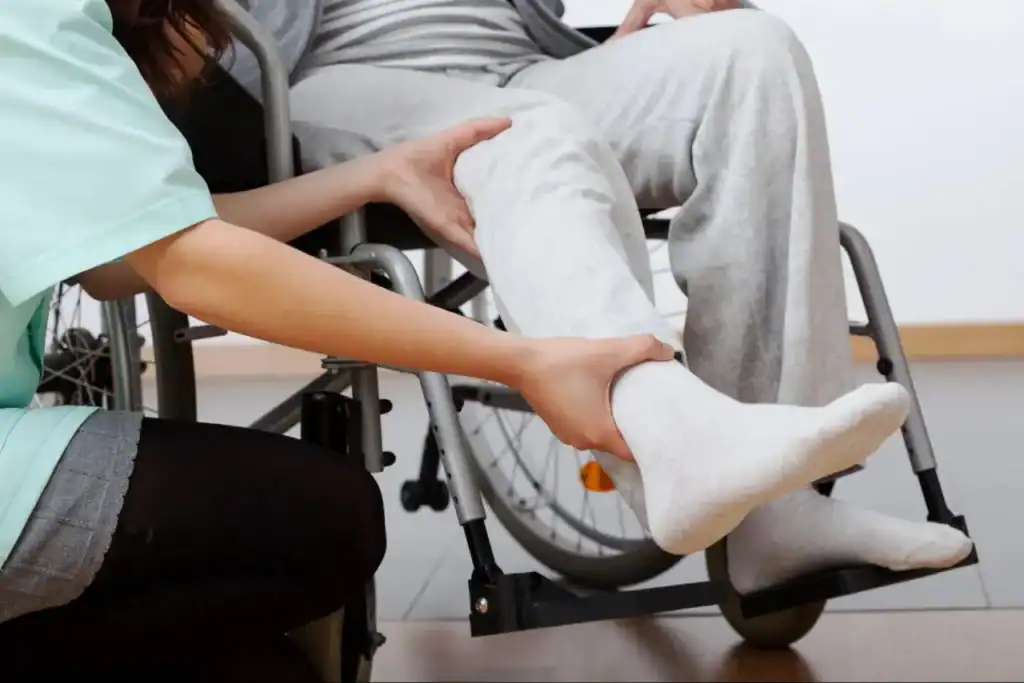
Hemiplegia is a neurological condition that causes paralysis on one side of the body, often affecting mobility, balance, and daily function. At Cambridge Physiotherapy & Rehab Center, located on Langs Drive, neurological physiotherapy focuses on restoring movement patterns, improving functional ability, and supporting long-term independence for individuals living with hemiplegia.
Understanding Hemiplegia
Hemiplegia refers to paralysis affecting one side of the body, typically resulting from damage to the brain such as a stroke, traumatic brain injury, or other neurological conditions. Unlike general muscle weakness, hemiplegia involves disrupted communication between the brain and muscles, making movement more complex and often unpredictable. This can impact posture, coordination, balance, and the ability to perform everyday tasks.
The condition commonly affects the arm, leg, and trunk on one side, altering normal movement mechanics and postural control. When proper biomechanics are disrupted, individuals may compensate in ways that increase fatigue, joint stress, or fall risk. Neurological physiotherapy aims to retrain movement patterns, encourage symmetry where possible, and support efficient, functional motion.
Hemiplegia Symptoms
Symptoms of hemiplegia vary depending on the cause and severity, but commonly include:
- Complete or partial paralysis on one side of the body
- Reduced balance and postural control
- Difficulty walking or transferring between positions
- Muscle stiffness, spasticity, or abnormal tone
- Limited coordination and control of the affected limb
What Causes Hemiplegia?
Hemiplegia develops due to injury or disruption within the brain’s motor pathways. It often involves multiple contributing factors and requires comprehensive assessment. Common causes include:
- Stroke (ischemic or hemorrhagic) affecting motor control centers
- Traumatic brain injury (TBI) leading to neurological impairment
- Brain tumours or infections impacting motor pathways
- Congenital neurological conditions affecting development
- Complications from neurological disorders such as cerebral palsy
Our Approach to Treating Hemiplegia
At Cambridge Physiotherapy & Rehab Center, hemiplegia treatment is guided by individualized neurological physiotherapy principles. Rehabilitation focuses on task-specific training, motor re-education, balance development, and functional movement practice to support meaningful improvements in daily activities and mobility. Using techniques and training, Neuro Physiotherapists are able to help you gain understanding and guide you the right way to living an independent life.
Comprehensive Neurological Assessment
Physiotherapy begins with a detailed neurological assessment that evaluates strength, muscle tone, coordination, balance, posture, and functional abilities such as sitting, standing, and walking. Movement patterns are carefully analyzed to identify compensations and barriers to recovery. This assessment allows therapists to develop a personalized rehabilitation plan aligned with the individual’s abilities, goals, and stage of recovery.
Customized Physiotherapy Treatment Strategies
Physiotherapy for hemiplegia is progressive and tailored to each individual’s needs. Treatment strategies may include:
- Therapeutic and corrective exercises: Exercises designed to improve strength, joint mobility, and voluntary control on the affected side
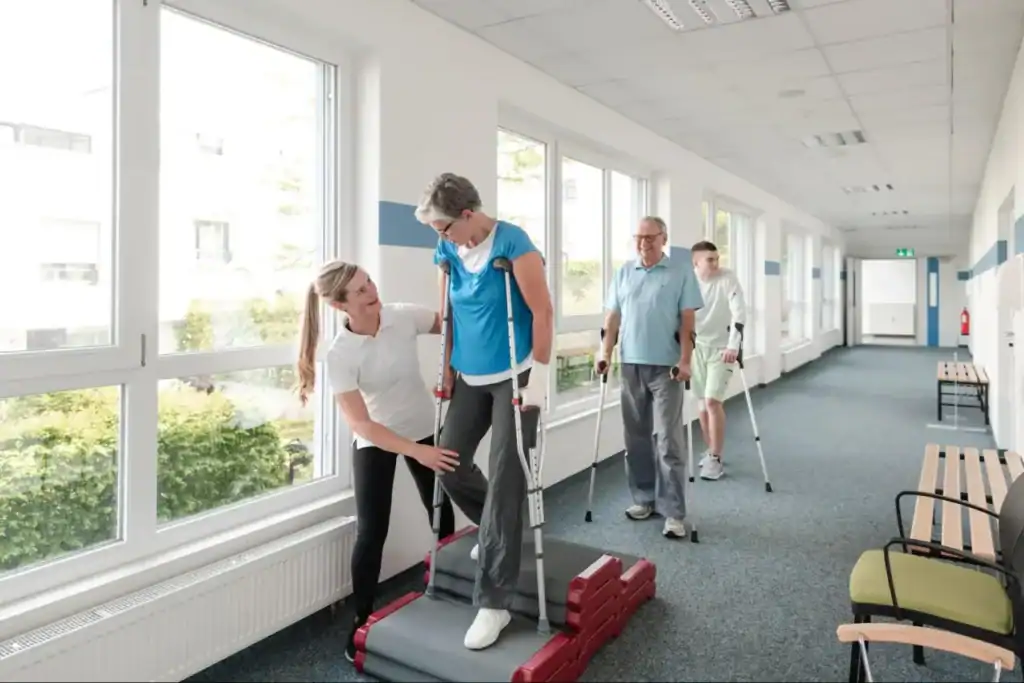
- Balance and gait training: Structured activities to enhance postural stability, weight shifting, and walking mechanics
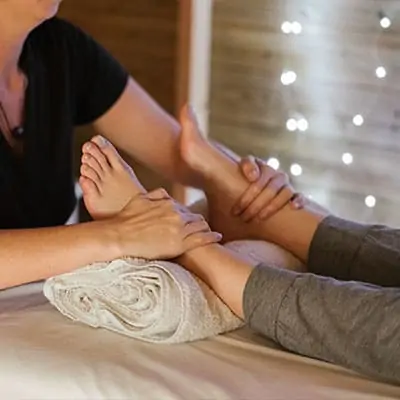
- Manual therapy: Hands-on techniques to manage stiffness, maintain joint mobility, and support functional alignment
- Functional task training: Practice of real-life movements such as transfers, reaching, and stair negotiation to improve independence
- Activity and lifestyle modification: Strategies to support safe movement, energy conservation, and participation in daily routines
Education and Long-Term Management
Education plays a vital role in managing hemiplegia. Physiotherapists provide guidance on safe movement strategies, home exercise programs, and techniques to reduce secondary complications such as joint stiffness or deconditioning. Ongoing education empowers individuals and caregivers to support recovery, promote consistency, and reduce the risk of functional decline over time.
Our Comprehensive Services
Why Choose Cambridge Physiotherapy & Rehab Center?
Cambridge Physiotherapy & Rehab Center provides evidence-based neurological physiotherapy with a strong focus on individualized care. Treatment emphasizes functional progress, education, and long-term outcomes to support confidence and independence throughout the rehabilitation process.
Our Commitment to Care
- Professional and compassionate care
- Modern neurological physiotherapy techniques
- Focus on education and long-term functional outcomes
Supporting Your Recovery and Daily Function
Physiotherapy can play an important role in improving movement, balance, and quality of life for individuals with hemiplegia. If you are seeking hemiplegia treatment, booking an appointment at Cambridge Physiotherapy & Rehab Center can be a meaningful step toward ongoing recovery and functional improvement.
Personalized Care for Common Neurological Conditions
|
|
Hemiplegia Treatment Cambridge FAQs
Can Physiotherapy Improve Movement in Hemiplegia?
Physiotherapy can help improve movement, control, and functional ability in individuals with hemiplegia by focusing on motor retraining and task-specific practice. While recovery varies depending on the cause and severity, targeted exercises and functional training can enhance strength, coordination, and balance over time. The goal is not only to regain movement but also to improve how efficiently and safely movements are performed in daily life.
Is It Safe to Exercise With Hemiplegia?
Exercise is generally safe for individuals with hemiplegia when guided by a qualified physiotherapist trained in Neurological conditions. Programs are tailored to account for muscle tone, balance challenges, and fatigue levels. Supervised exercise reduces the risk of falls or overuse injuries and ensures movements are performed with proper alignment and control. Physiotherapists also modify exercises as recovery progresses.
How Does Physiotherapy Help With Walking After Hemiplegia?
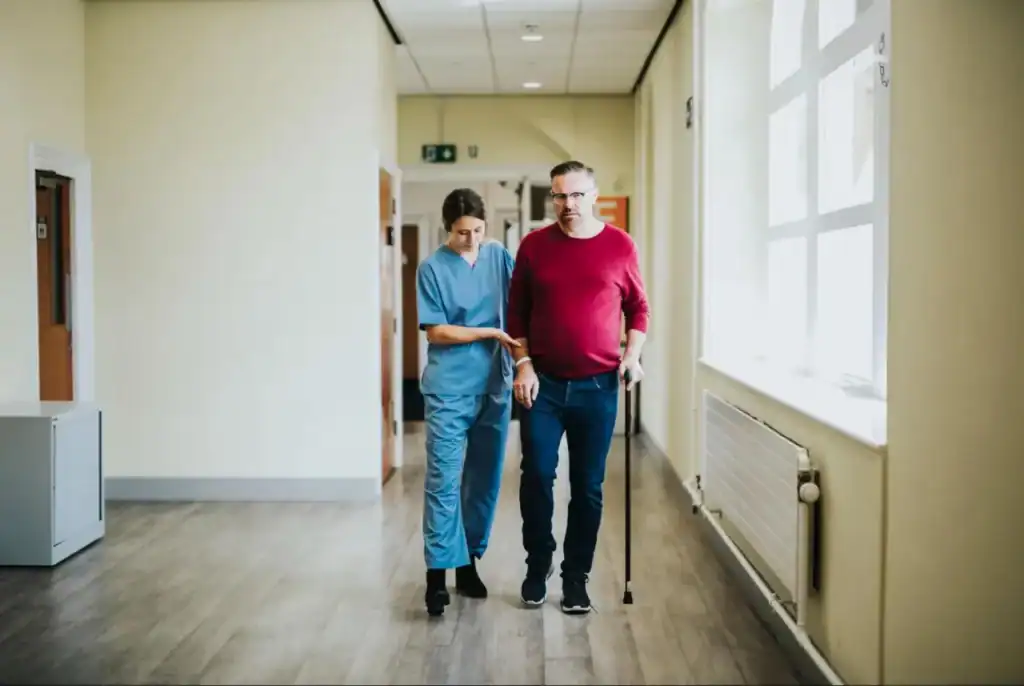
Physiotherapy addresses walking difficulties by focusing on balance, weight shifting, step timing, and posture. Gait training may include supported walking, balance exercises, and functional drills that improve coordination between the affected and unaffected sides. Over time, this can lead to safer, more confident walking and reduced reliance on compensatory patterns.
When Should Treatment for Hemiplegia Begin?
Physiotherapy often begins as soon as it is medically appropriate, but starting later can still be beneficial. Early intervention helps prevent stiffness and muscle weakness, while ongoing therapy supports continued improvement and adaptation. There is no strict timeline for recovery, and consistent rehabilitation can support functional gains even months or years after onset.