Parkinson’s disease is a progressive neurological condition that can affect movement, balance, coordination, and everyday activities. At Cambridge Physiotherapy & Rehab Center, neurological physiotherapy focuses on helping individuals manage symptoms, maintain independence, and move with greater confidence as the condition progresses.
Understanding Parkinson’s Disease
Parkinson’s disease is a neurodegenerative condition caused by changes in the brain that affect the production of dopamine, a chemical essential for smooth and coordinated movement. As dopamine levels decrease, movement can become slower, less controlled, and more effortful. Parkinson’s is often misunderstood as affecting only tremor, but it can influence posture, walking, balance, strength, and overall functional ability.
The condition affects how the brain communicates with the muscles, leading to altered movement patterns and reduced automatic control of everyday actions such as walking or turning. Changes in posture and movement efficiency can increase fatigue and fall risk over time. Physiotherapy focuses on optimizing biomechanics, retraining movement strategies, and supporting functional mobility throughout all stages of Parkinson’s disease.
Parkinson’s Disease Symptoms
Symptoms of Parkinson’s disease can vary between individuals and may progress gradually. Common movement-related symptoms include:
- Slowness of movement (bradykinesia)
- Muscle stiffness or rigidity
- Tremors, often at rest
- Shuffling gait or reduced arm swing during walking
- Impaired balance or increased fall risk
What Causes Parkinson’s Disease?
Parkinson’s disease develops due to neurological changes rather than a single injury or event. Several contributing factors are believed to play a role, including:
- Degeneration of dopamine-producing cells in the brain
- Genetic factors that may increase susceptibility
- Environmental influences affecting neurological health
- Age-related changes in brain function
- Interaction of multiple risk factors over time

Our Approach to Parkinson’s Physiotherapy
At Cambridge Physiotherapy & Rehab Center, located on Langs Drive right here in Cambridge, Ontario, Parkinson’s treatment is guided by individualized neurological physiotherapy principles. The focus is on maintaining movement quality, improving functional capacity, and helping individuals adapt to changes over time through structured, goal-oriented rehabilitation.
Comprehensive Neurological Assessment
Physiotherapy begins with a detailed assessment of posture, movement speed, balance, gait, strength, and functional tasks such as transfers and turning. Therapists also assess movement initiation, coordination, and fatigue levels. This comprehensive evaluation helps identify movement challenges specific to Parkinson’s disease and guides the development of a personalized treatment plan aligned with daily activity goals.
Customized Physiotherapy Treatment Strategies
Physiotherapy treatment for Parkinson’s disease is tailored to the individual and adjusted as symptoms change. Common strategies include:
- Therapeutic and corrective exercises: Exercises to improve strength, flexibility, posture, and movement amplitude
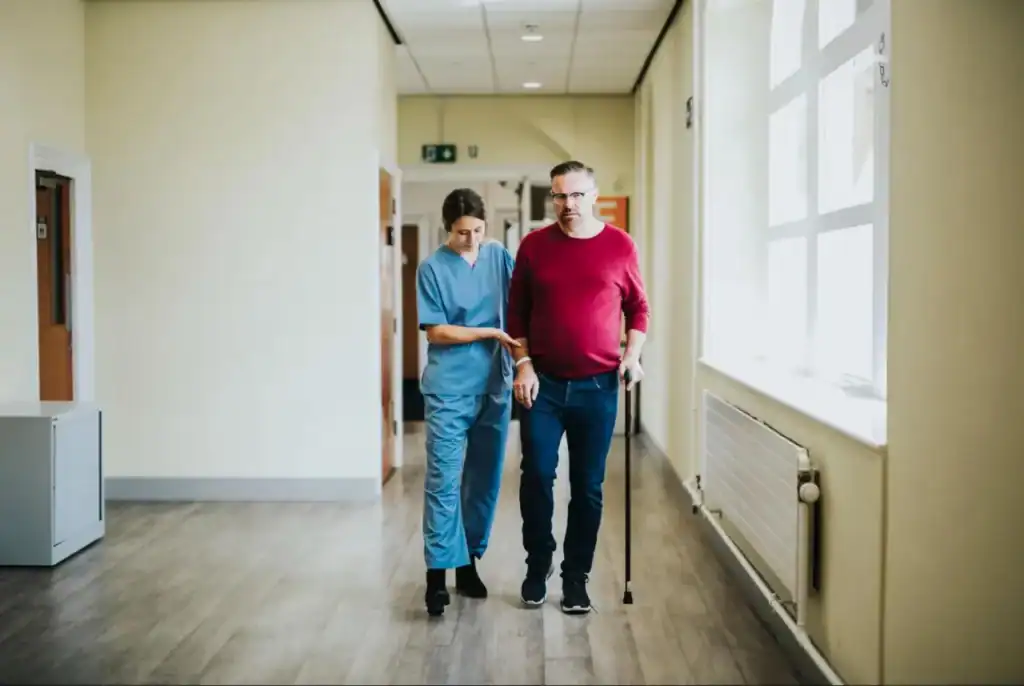
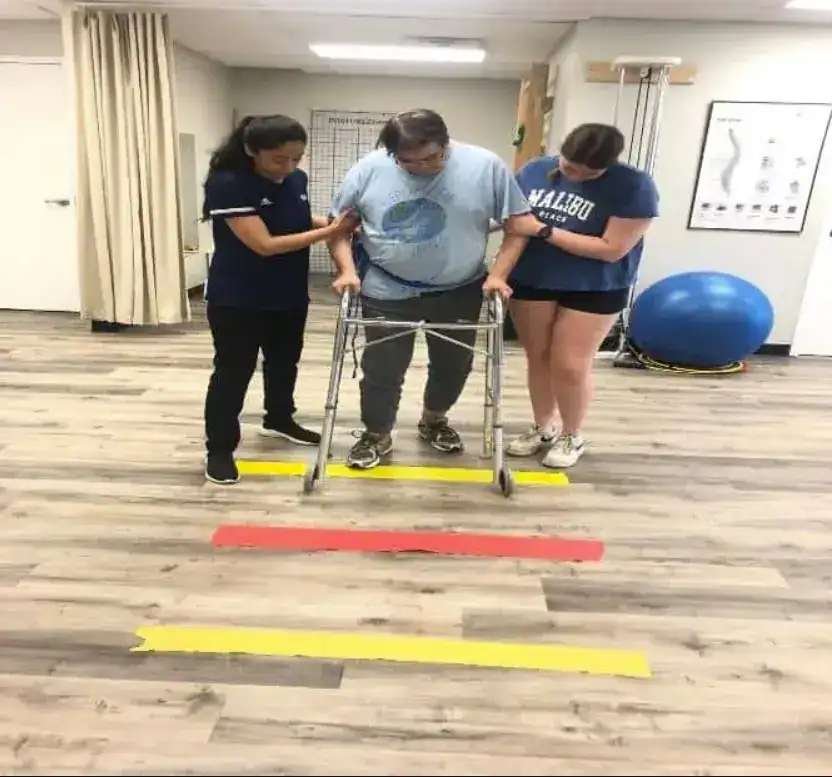
- Balance and gait training: Activities to address shuffling gait, freezing episodes, and balance control
- Movement strategy training: Techniques to improve movement initiation, turning, and functional transitions
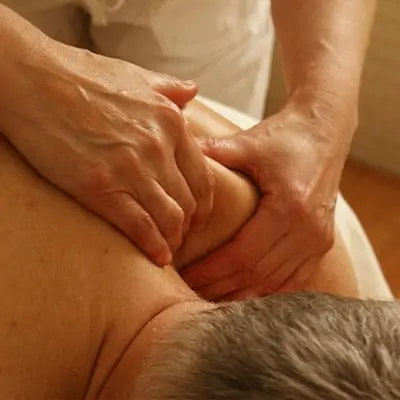
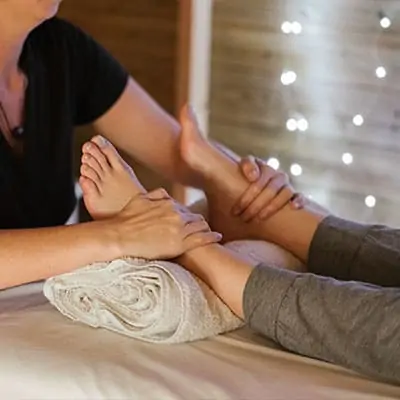
- Manual therapy: Hands-on techniques to manage stiffness and support joint mobility
- Activity and lifestyle modification: Strategies to manage fatigue, improve safety, and support participation in daily routines
- Education of using walking aids such as canes and crutches to help prevent falls.
Education and Long-Term Symptom Management
Education is a key component of Parkinson’s physiotherapy. Individuals and caregivers are guided on home exercise programs, posture awareness, and strategies to manage movement challenges in daily life. Ongoing education supports consistency, reduces fall risk, and helps individuals remain active and engaged while adapting safely to changes over time.
Our Comprehensive Services
Why Choose Cambridge Physiotherapy & Rehab Center?
Cambridge Physiotherapy & Rehab Center provides client-centred neurological physiotherapy by trained and certified Neurological Physiotherapists, focused on evidence-based care, functional improvement, and long-term management. Treatment is tailored to each individual’s needs, goals, and stage of Parkinson’s disease.
Our Commitment to Care
- Professional and compassionate care
- Modern neurological physiotherapy techniques
- Focus on education and long-term functional outcomes
Supporting Movement and Independence
Physiotherapy can play an important role in helping individuals with Parkinson’s disease maintain mobility, balance, and quality of life. If you are seeking Parkinson’s treatment, Cambridge Physiotherapy & Rehab Center can help support ongoing movement and functional independence. Contact us today to get started!
Personalized Care for Common Neurological Conditions
|
|
Parkinson’s Treatment Cambridge FAQs
Can Physiotherapy Help Slow the Progression of Parkinson’s Disease?
Physiotherapy does not stop the progression of Parkinson’s disease, but it can help manage symptoms and maintain function for longer. Regular, targeted exercise and movement training can improve strength, balance, posture, and mobility, which may reduce secondary complications such as falls or stiffness. Physiotherapy also supports confidence in movement and encourages ongoing physical activity, which is considered beneficial for long-term neurological health.
Is Exercise Safe for People With Parkinson’s Disease?
Exercise is generally safe and strongly encouraged for people with Parkinson’s disease when guided by a Physiotherapist trained in Neurological conditions. Programs are tailored to individual abilities, balance levels, and fatigue. Supervised exercise helps ensure movements are performed safely and effectively, reducing fall risk and overexertion. As symptoms change, exercises can be adapted to remain appropriate and supportive.
How Can Physiotherapy Help With Freezing or Shuffling When Walking?
Physiotherapy can address freezing and shuffling by using movement strategies, cueing techniques, and gait training. Therapists may focus on increasing step length, improving posture, and practicing turns and transitions. These strategies can help improve walking confidence and reduce interruptions in movement during daily activities.
When Should Physiotherapy Start for Parkinson’s Disease?
Physiotherapy can be beneficial at any stage of Parkinson’s disease, including soon after identification. Early intervention helps establish good movement habits, maintain strength, and address subtle balance or posture changes. Ongoing physiotherapy can then adapt as symptoms progress, supporting long-term mobility and independence.