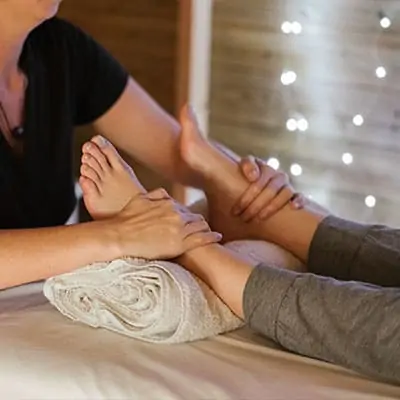

Peripheral neuropathy is a condition that affects the peripheral nerves, often leading to changes in sensation, strength, and coordination. At Cambridge Physiotherapy & Rehab Center, located on Langs Drive, physiotherapy focuses on improving movement control, reducing functional limitations, and supporting safer, more confident daily activity for individuals living with peripheral neuropathy.
Understanding Peripheral Neuropathy
Peripheral neuropathy occurs when peripheral nerves—those outside the brain and spinal cord—are damaged or disrupted. These nerves play a key role in transmitting sensory information and controlling muscle activity. When nerve function is impaired, individuals may experience altered sensation, weakness, or difficulty coordinating movement. Peripheral neuropathy is often misunderstood as purely a sensory issue, but it can significantly affect balance, walking, and overall functional independence.
The condition commonly affects the hands and feet, where sensory feedback is essential for posture and movement control. Reduced sensation or delayed nerve signals can alter normal biomechanics, increasing the risk of falls, fatigue, and compensatory movement patterns. Physiotherapy aims to optimize movement strategies, improve strength and balance, and help individuals adapt safely to sensory changes.
Peripheral Neuropathy Symptoms
Symptoms of peripheral neuropathy can vary depending on the nerves involved and the underlying cause. Common functional symptoms include:
- Numbness, tingling, or reduced sensation in the hands or feet
- Muscle weakness or reduced coordination
- Balance difficulties or unsteadiness when walking
- Sensitivity to touch or altered temperature perception
- Increased risk of trips, falls, or gait changes
What Causes Peripheral Neuropathy?
Peripheral neuropathy often develops due to multiple contributing factors and requires careful assessment to guide management. Common causes include:
- Diabetes-related nerve damage
- Compression or entrapment of peripheral nerves
- Nutritional deficiencies affecting nerve health
- Exposure to toxins or certain medications
- Neurological or autoimmune conditions affecting nerve function
Our Approach to Treating Peripheral Neuropathy
At Cambridge Physiotherapy & Rehab Center, located on Langs Drive, physiotherapy for peripheral neuropathy is guided by an individualized, assessment-led approach. Treatment focuses on improving functional movement, enhancing balance and strength, and helping individuals manage sensory changes through evidence-based neurological rehabilitation strategies.
Comprehensive Neurological Assessment
Physiotherapy begins with a detailed assessment of strength, sensation, balance, coordination, posture, and walking mechanics. Therapists also evaluate functional tasks, footwear considerations, and fall risk. This comprehensive assessment helps identify movement limitations and compensations, allowing for a personalized treatment plan tailored to the individual’s symptoms and daily activity goals.
Customized Physiotherapy Treatment Strategies
Physiotherapy treatment for peripheral neuropathy is tailored to each individual and may include:
- Therapeutic and corrective exercises: Exercises to improve lower- and upper-limb strength, joint mobility, and motor control
- Balance and gait training: Targeted activities to enhance stability, proprioception, and walking confidence
- Sensory and movement retraining: Strategies to improve awareness of limb position and movement despite sensory changes
- Manual therapy: Hands-on techniques to support joint mobility, soft tissue flexibility, and movement comfort
- Activity and lifestyle modification: Guidance on safe activity participation, footwear choices, and fall-prevention strategies
Education and Long-Term Management
Education is an essential component of managing peripheral neuropathy. Physiotherapists provide guidance on home exercise programs, balance strategies, and ways to reduce fall risk in daily environments. Education also focuses on recognizing changes in sensation, pacing activity, and maintaining physical activity to support long-term function and safety.
Our Comprehensive Services
Why Choose Cambridge Physiotherapy & Rehab Center?
Cambridge Physiotherapy & Rehab Center offers evidence-based neurological physiotherapy focused on individualized assessment, functional improvement, and long-term management. Care emphasizes clear communication, education, and practical strategies to support daily movement and independence.
Our Commitment to Care
- Professional and compassionate care
- Modern neurological physiotherapy techniques
- Focus on education and long-term functional outcomes
Supporting Balance, Mobility, and Daily Function
Physiotherapy can play an important role in helping individuals with peripheral neuropathy improve balance, movement confidence, and quality of life. If you are seeking peripheral neuropathy treatment, Cambridge Physiotherapy & Rehab Center can support safer movement and ongoing functional independence. Contact us today to get started!
Personalized Care for Common Neurological Conditions
|
|
Peripheral Neuropathy Treatment Cambridge FAQs
Can Physiotherapy Help With Balance Problems Caused by Peripheral Neuropathy?
Yes, physiotherapy can help address balance issues associated with peripheral neuropathy. Reduced sensation in the feet can affect stability and walking confidence, increasing fall risk. Physiotherapy focuses on balance training, strength development, fall prevention, and gait strategies to improve stability. While sensation changes may persist, improving movement control and balance reactions can significantly enhance safety and functional mobility.
Is Exercise Safe If I Have Peripheral Neuropathy?
Exercise is generally safe and beneficial when guided by a physiotherapist. Programs are tailored to account for sensory changes, strength levels, and balance limitations. Supervised exercise helps ensure proper technique, reduces fall risk, and supports overall physical function. Activities are adjusted to avoid excessive strain while still promoting movement and confidence.
Can Physiotherapy Reduce Numbness or Tingling?
Physiotherapy may not fully reverse numbness or tingling caused by nerve damage, but it can help reduce the functional impact of these symptoms. Treatment focuses on improving strength, balance, and coordination, which can make daily activities easier and safer despite sensory changes. Education and movement strategies also help individuals manage symptoms more effectively.
When Should I Seek Physiotherapy for Peripheral Neuropathy?
Physiotherapy can be beneficial as soon as symptoms begin to affect balance, walking, or daily activities. Early intervention helps address movement changes, reduce fall risk, and establish effective management strategies. Ongoing physiotherapy can continue to support function as symptoms change over time.