A stroke, also known as a cerebrovascular accident (CVA), can profoundly affect movement, balance, strength, and everyday function. At Cambridge Physiotherapy & Rehab Center, our neurological physiotherapy program supports people through tailored rehabilitation designed to restore movement patterns, build strength, and enhance independence after stroke.
Understanding Stroke (CVA)
A stroke occurs when a disruption of blood flow to the brain leads to neuronal injury, resulting in sudden loss of neurological function. These changes can impact motor control, balance, coordination, and the ability to perform daily tasks. Stroke rehabilitation is often complex because it involves retraining neural pathways and restoring movement patterns rather than merely addressing pain.
The brain’s control of movement and balance is influenced by intricate pathways that coordinate strength, proprioception, and postural responses. After a stroke, these systems can be disrupted, leading to inefficient movement, weakness on one side, and difficulty completing common functional tasks. Targeted physiotherapy embraces this complexity to help re-establish functional movement with attention to normal biomechanics and re-education of motor control.
Stroke (CVA) Symptoms
Stroke symptoms can vary based on the brain region affected, but common presentations include:
- One-sided weakness or paralysis
- Impaired balance or difficulty walking
- Altered coordination or movement timing
- Muscle stiffness (spasticity) or abnormal tone
- Challenges with transfers or reaching tasks
What Causes Stroke (CVA)?
Stroke typically involves vascular and lifestyle factors. Contributing causes include:
- Blockage of cerebral arteries limiting blood flow
- Hemorrhagic bleeding within the brain
- Chronic hypertension causing vessel damage
- Cardiac arrhythmias increasing clot risk
- Metabolic factors such as diabetes and high cholesterol
Our Approach to Stroke Rehabilitation
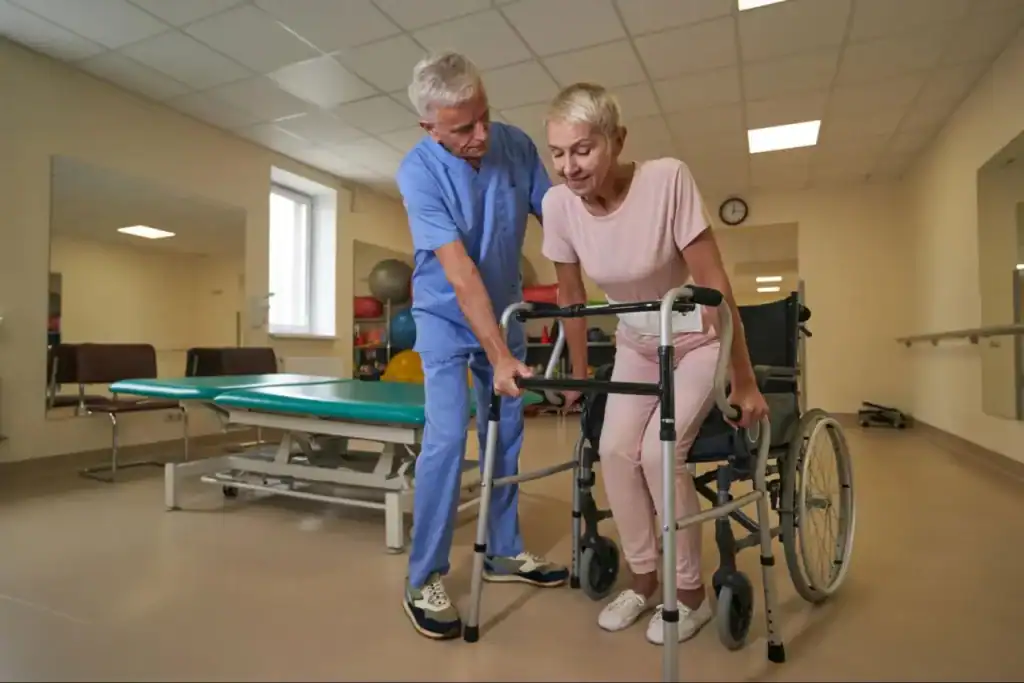
At Cambridge Physiotherapy & Rehab Center, stroke treatment is rooted in individualized neurological physiotherapy. Our approach incorporates evidence-based therapies, focused motor retraining, balance and gait interventions, and functional task practice to support recovery in a safe and structured way — empowering you to regain as much independence as possible.
Comprehensive Neurological Assessment
Stroke rehabilitation begins with a thorough assessment where therapists evaluate strength, sensation, balance, posture, and functional mobility. This includes careful movement analysis and insight into daily challenges, combined with your medical history and goals. This assessment guides a customized rehabilitation plan aimed at restoring coordination, improving balance control, and re-establishing efficient movement patterns.
Customized Physiotherapy Treatment Strategies
Stroke physiotherapy at Cambridge Physiotherapy & Rehab Center integrates therapeutic techniques tailored to each individual. Typical strategies include:
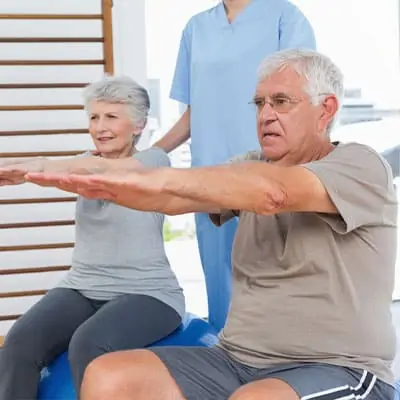
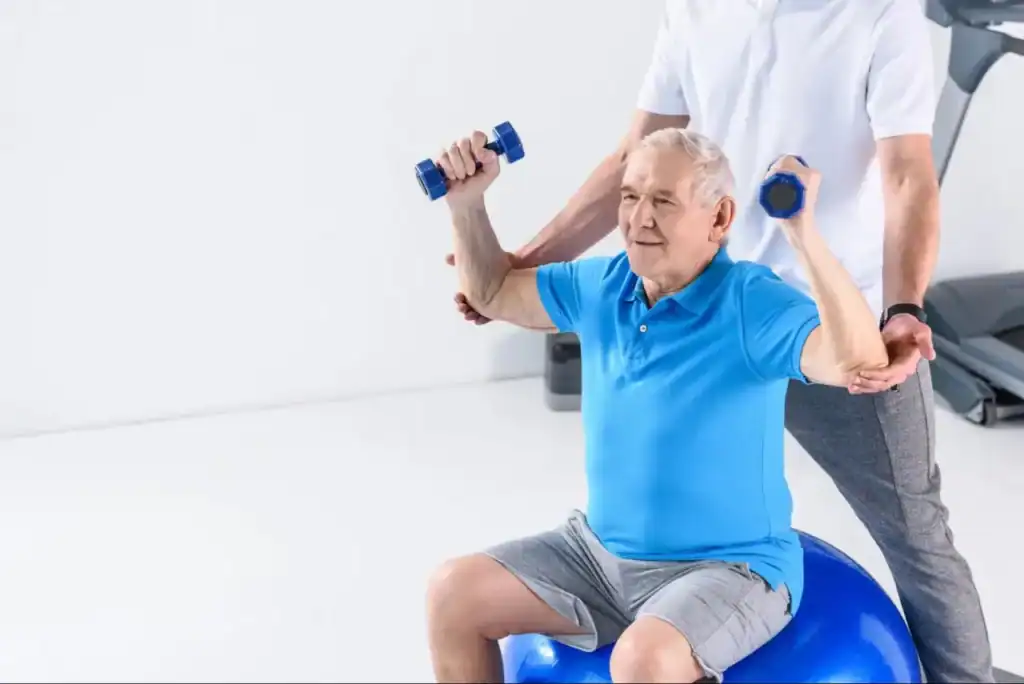
- Therapeutic and corrective exercises: Targeted exercises designed to strengthen weak muscles, improve joint range, and train motor control
- Balance and gait retraining: Progressive tasks to enhance postural stability and walking patterns, with balance drills and weight-shift training
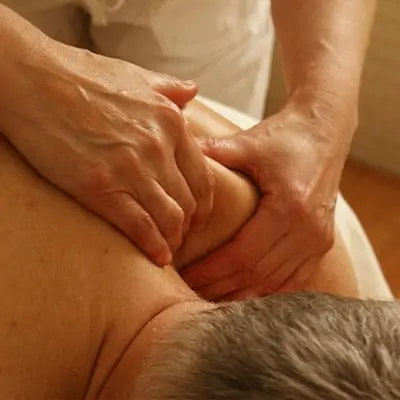
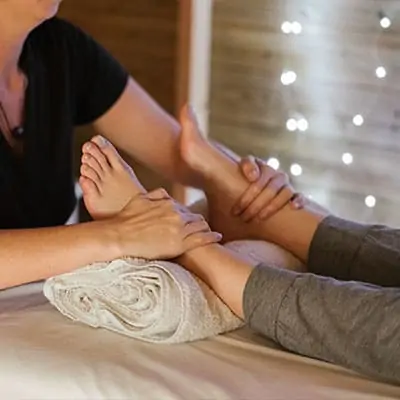
- Manual therapy: Hands-on techniques to address stiffness and promote joint mobility
- Functional task practice: Simulated real-life tasks such as sit-to-stand, stair negotiation, and reaching tasks to improve independence
- Assistive movement tools: Use of walking aids and adaptive strategies as needed to support safe mobility
Education and Long-Term Recovery Support
Education is central to neurological recovery. At Cambridge Physiotherapy & Rehab Center, clients and caregivers are provided with strategies to continue rehabilitation at home, understand movement retraining principles, and prevent declines associated with inactivity or misalignment. This helps reduce secondary complications and supports long-term functional independence.

Our Comprehensive Services
Why Choose Cambridge Physiotherapy & Rehab Center?
Cambridge Physiotherapy & Rehab Center offers specialized neurological physiotherapy that combines hands-on techniques, customized exercise plans, and the latest evidence-informed practices to support people through stroke recovery with confidence and clarity.
Our Commitment to Care
- Professional and compassionate care
- Modern, evidence-based neurological rehabilitation techniques
- Focus on education and long-term functional outcomes
Taking the Next Step Toward Recovery
If you or a loved one is seeking stroke (CVA) treatment, the neurological physiotherapy team at Cambridge Physiotherapy & Rehab Center is here to support your recovery journey. Booking an appointment can help you take meaningful steps toward improved mobility, confidence, and daily function.
Personalized Care for Common Neurological Conditions
|
|

Stroke (CVA) Treatment Cambridge FAQs
How Soon After a Stroke Should Physiotherapy Begin?
Physiotherapy often begins as soon as medically safe, sometimes within days of the stroke. Early rehabilitation supports muscle activation, limits complications like joint stiffness, and encourages neural adaptation through repeated practice of movement patterns. Even if therapy begins later, meaningful improvements can still occur with consistent, tailored neurological physiotherapy. Each person’s pathway is unique, and timing depends on overall medical stability, fatigue, and readiness for active participation.
Can Stroke Physiotherapy Improve Walking and Balance?
Yes. Stroke physiotherapy includes targeted balance and gait training that focuses on weight shifting, step timing, and dynamic stability. Through repetitive practice and progression of tasks, you can improve walking mechanics, reduce fall risk, and gain confidence in ambulation. Therapists may also introduce assistive devices where appropriate to promote safe and effective mobility. A Physiotherapist trained in Neurological conditions is the key to helping you or your loved one, get trained in the right way.
What Role Does Home Exercise Play in Stroke Recovery?
Home exercise is a core part of stroke rehabilitation, extending gains made in the clinic to everyday environments. With guidance from your physiotherapist, you’ll receive exercises that target strength, balance, and coordination tailored to your abilities. Consistent practice reinforces motor learning, supports neuroplasticity, and promotes independence long-term.
How Long Does Stroke Physiotherapy Typically Continue?
There’s no fixed timeline for stroke rehabilitation — gains depend on severity, goals, and individual progress. Many people continue physiotherapy for months or even years, with adjustments to the program as they regain function. The emphasis is on gradual improvement, meaningful functional gains, and empowering you with self-management strategies to maintain progress.