
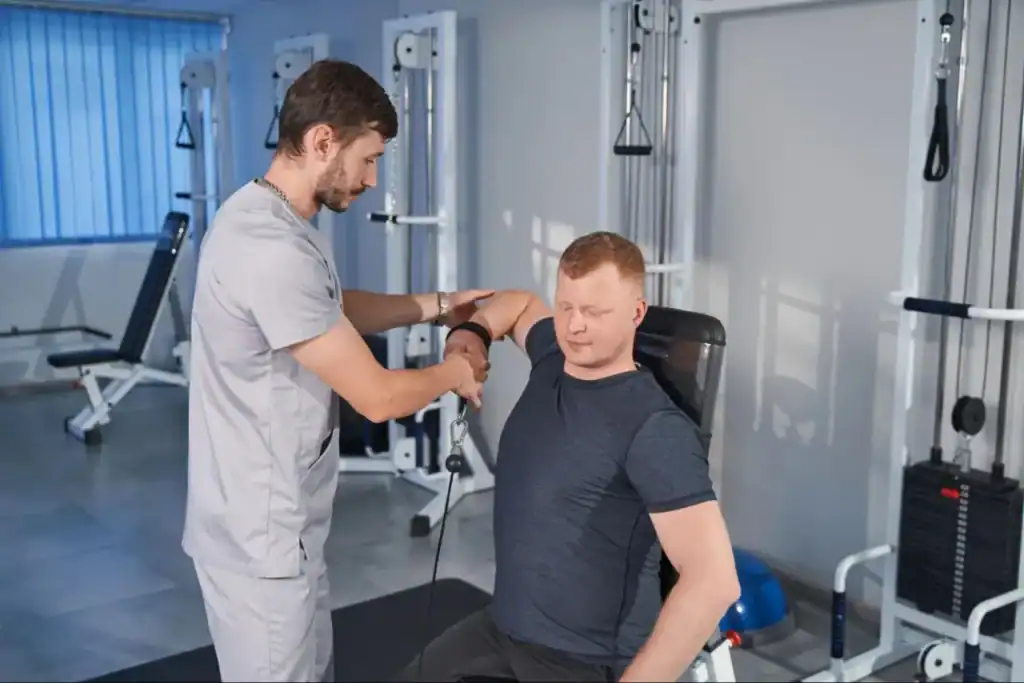
Multiple sclerosis (MS) is a neurological condition that can affect movement, balance, strength, and everyday activities in varying ways. At Cambridge Physiotherapy & Rehab Center, neurological physiotherapy focuses on helping individuals manage symptoms, improve functional ability, and maintain independence throughout the different stages of MS.
Understanding Multiple Sclerosis
Multiple sclerosis is a chronic neurological condition in which the immune system attacks the protective covering (myelin) of nerve fibres in the central nervous system. This disruption interferes with how signals travel between the brain and body, leading to a wide range of physical and functional symptoms. MS is often unpredictable, with symptoms that may fluctuate or progress over time, making individualized management essential.
MS can affect movement control, balance, coordination, and muscle strength, often resulting in inefficient or effortful movement patterns. Changes in posture and fatigue levels can further influence daily function. Physiotherapy plays an important role in optimizing biomechanics, supporting efficient movement, and helping individuals adapt safely as symptoms change.
Multiple Sclerosis Symptoms
Symptoms of multiple sclerosis vary widely between individuals and may change over time. Common movement-related symptoms include:
- Muscle weakness or reduced endurance
- Balance difficulties or unsteadiness when walking
- Muscle stiffness or spasticity
- Altered coordination or control of movement
- Increased fatigue during physical activity
What Causes Multiple Sclerosis?
The exact cause of multiple sclerosis is not fully understood, and it is believed to result from a combination of factors. Contributing influences may include:
- Autoimmune activity damaging myelin within the nervous system
- Genetic predisposition increasing susceptibility
- Environmental factors such as vitamin D deficiency or viral exposure
- Inflammatory processes affecting nerve conduction
- Interaction between immune, genetic, and environmental factors
Our Approach to Treating Multiple Sclerosis
At Cambridge Physiotherapy & Rehab Center, located on Langs Drive, physiotherapy for multiple sclerosis is guided by an individualized, flexible approach. Treatment focuses on improving movement efficiency, managing symptoms, and supporting long-term participation in daily activities while adapting to changes in function over time.
Comprehensive Neurological Assessment
Physiotherapy begins with a thorough assessment of strength, balance, coordination, posture, mobility, and functional tasks such as walking, transfers, and endurance. Fatigue levels, symptom variability, and safety considerations are carefully evaluated. This assessment allows therapists to develop a personalized rehabilitation plan that reflects current abilities, goals, and symptom patterns.
Customized Physiotherapy Treatment Strategies
Physiotherapy treatment for multiple sclerosis is tailored and may change as symptoms fluctuate. Common strategies include:
- Therapeutic and corrective exercises: Exercises to improve strength, flexibility, balance, and cardiovascular tolerance while respecting fatigue limits
- Balance and gait training: Activities to enhance stability, walking confidence, and fall prevention
- Manual therapy: Hands-on techniques to address stiffness, joint mobility, and movement comfort
- Movement and energy management strategies: Training to improve efficiency, pacing, and symptom control during daily tasks
- Activity and lifestyle modification: Guidance on adapting activities to reduce fatigue and support consistent participation
Education and Long-Term Symptom Management
Education is central to managing multiple sclerosis. Physiotherapists provide guidance on home exercise programs, fatigue management, heat sensitivity, and safe movement strategies. Understanding how to pace activities and recognize symptom changes helps reduce flare-related setbacks and supports long-term function and independence.
Our Comprehensive Services
Why Choose Cambridge Physiotherapy & Rehab Center?
Cambridge Physiotherapy & Rehab Center offers evidence-based neurological physiotherapy with a strong focus on individualized care. Treatment emphasizes functional improvement, education, and adaptability to support individuals living with multiple sclerosis at every stage.
Our Commitment to Care
- Professional and compassionate care
- Modern neurological physiotherapy techniques
- Focus on education and long-term functional outcomes
Supporting Mobility and Quality of Life
Physiotherapy can play an important role in helping individuals with multiple sclerosis maintain mobility, manage symptoms, and remain active. If you are seeking multiple sclerosis treatment, booking an appointment at Cambridge Physiotherapy & Rehab Center can support ongoing movement and functional independence.
Personalized Care for Common Neurological Conditions
|
|
Multiple Sclerosis Treatment Cambridge, ON FAQs
Can Physiotherapy Help Manage MS Symptoms?
Physiotherapy can help manage many physical symptoms of MS, including weakness, balance difficulties, stiffness, and reduced endurance. While it does not alter the underlying disease process, targeted exercise and movement training can improve functional ability, reduce fall risk, and support overall quality of life. Programs are adapted to symptom variability and energy levels.
Is Exercise Safe for People With Multiple Sclerosis?
Exercise is generally safe and beneficial for people with MS when properly prescribed. Physiotherapists tailor exercise intensity, duration, and type to account for fatigue, heat sensitivity, and balance challenges. Structured exercise can improve strength, mobility, and confidence while minimizing the risk of overexertion.
How Does Physiotherapy Address Fatigue in MS?
Physiotherapy helps manage fatigue by improving movement efficiency, teaching pacing strategies, and recommending appropriate rest intervals. Therapists also guide individuals on energy conservation techniques and exercise selection to avoid symptom flare-ups while remaining physically active.
When Should Physiotherapy Begin for Multiple Sclerosis?
Physiotherapy can be beneficial at any stage of MS, including early after identification. Early involvement helps establish healthy movement habits, address subtle balance or strength changes, and provide education on symptom management. Ongoing physiotherapy can then adapt as needs change over time.