895 Langs Dr Unit #2,

Cambridge, ON N3H 5T6, Canada

(519) 219-5428

admin@cambridgephysio.ca

Cupping Therapy in Cambridge, Ontario

Cambridge Physiotherapy & Rehab Center offers dry needling as part of a comprehensive physiotherapy approach to help you move better and feel less pain — right here in Cambridge, Ontario.

cupping-therapy-Cambridge

Success Stories

What Is Cupping Therapy and How Can It Help You?

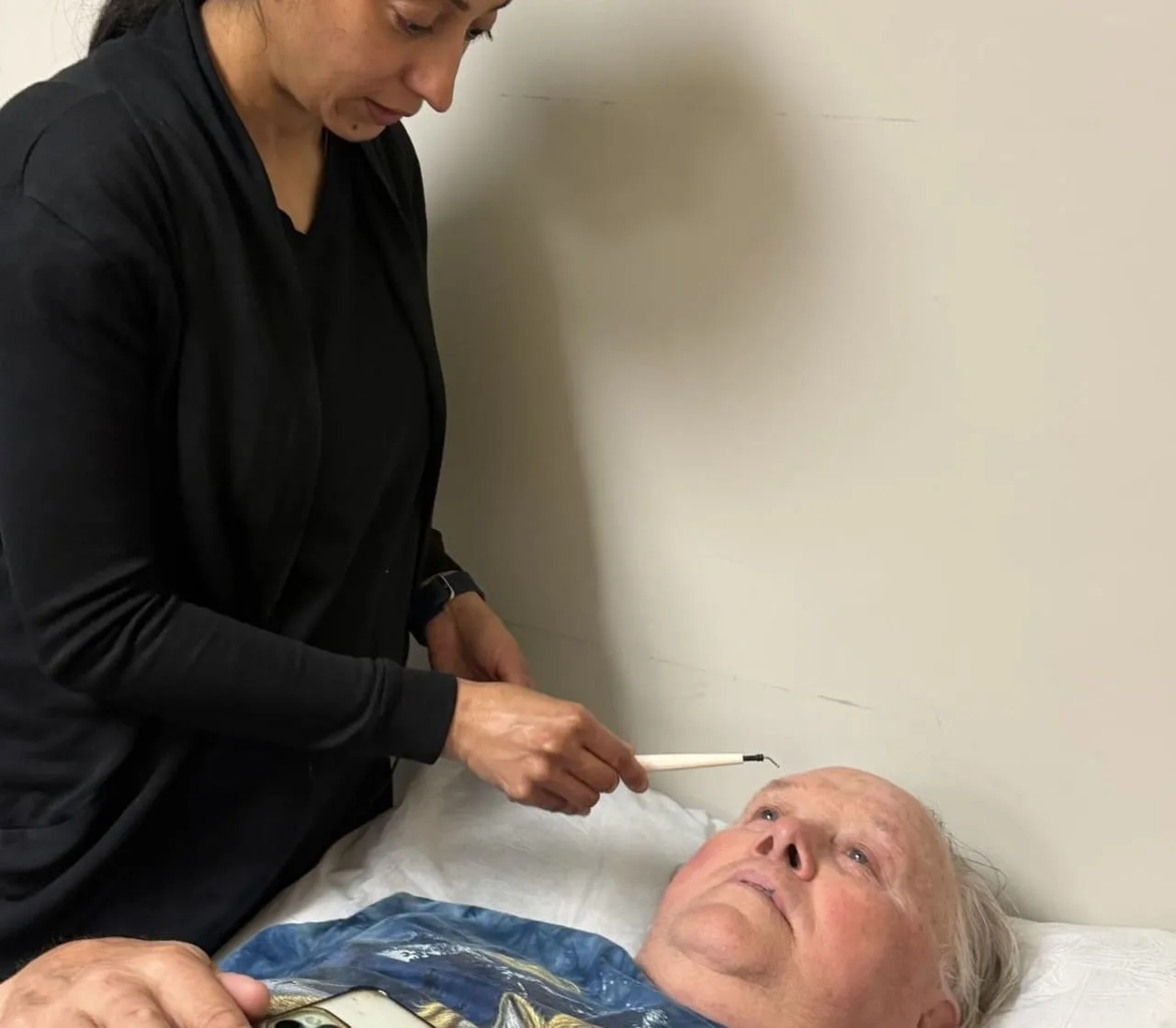
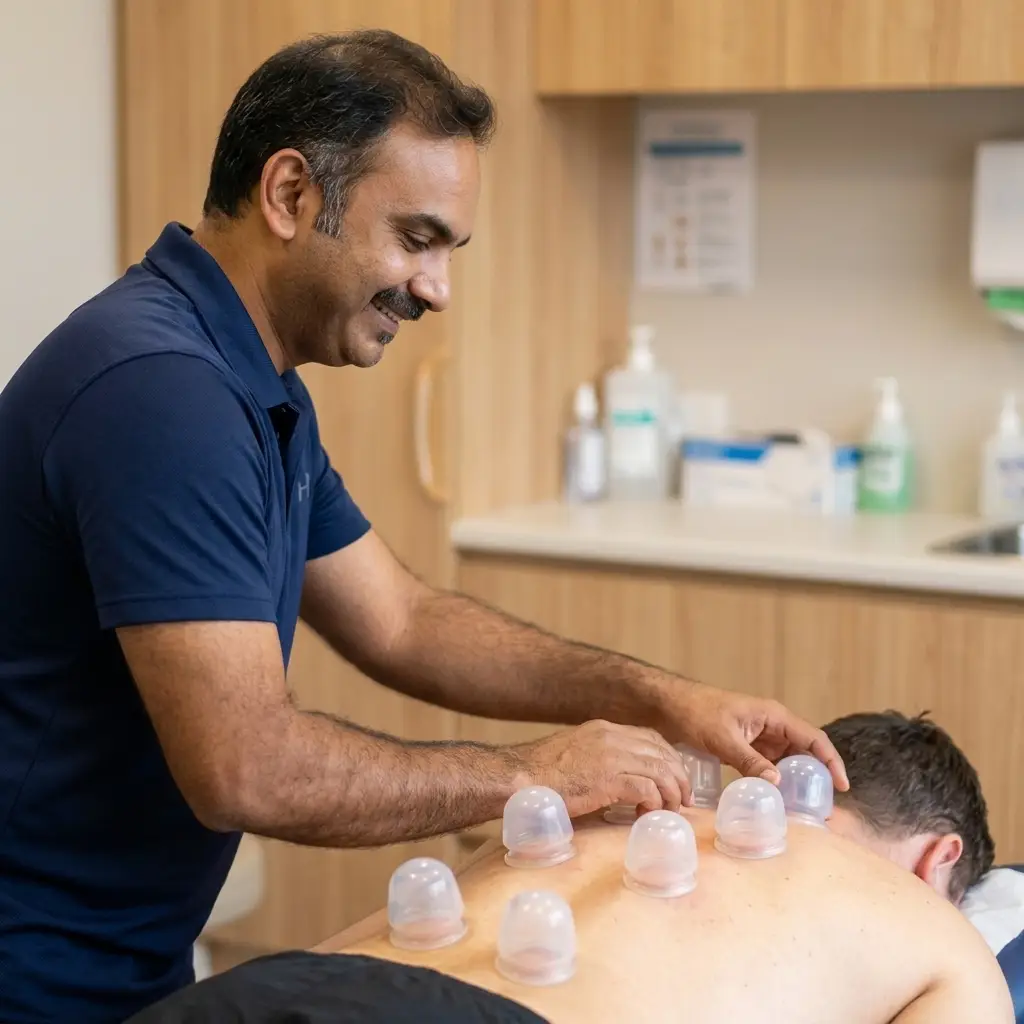
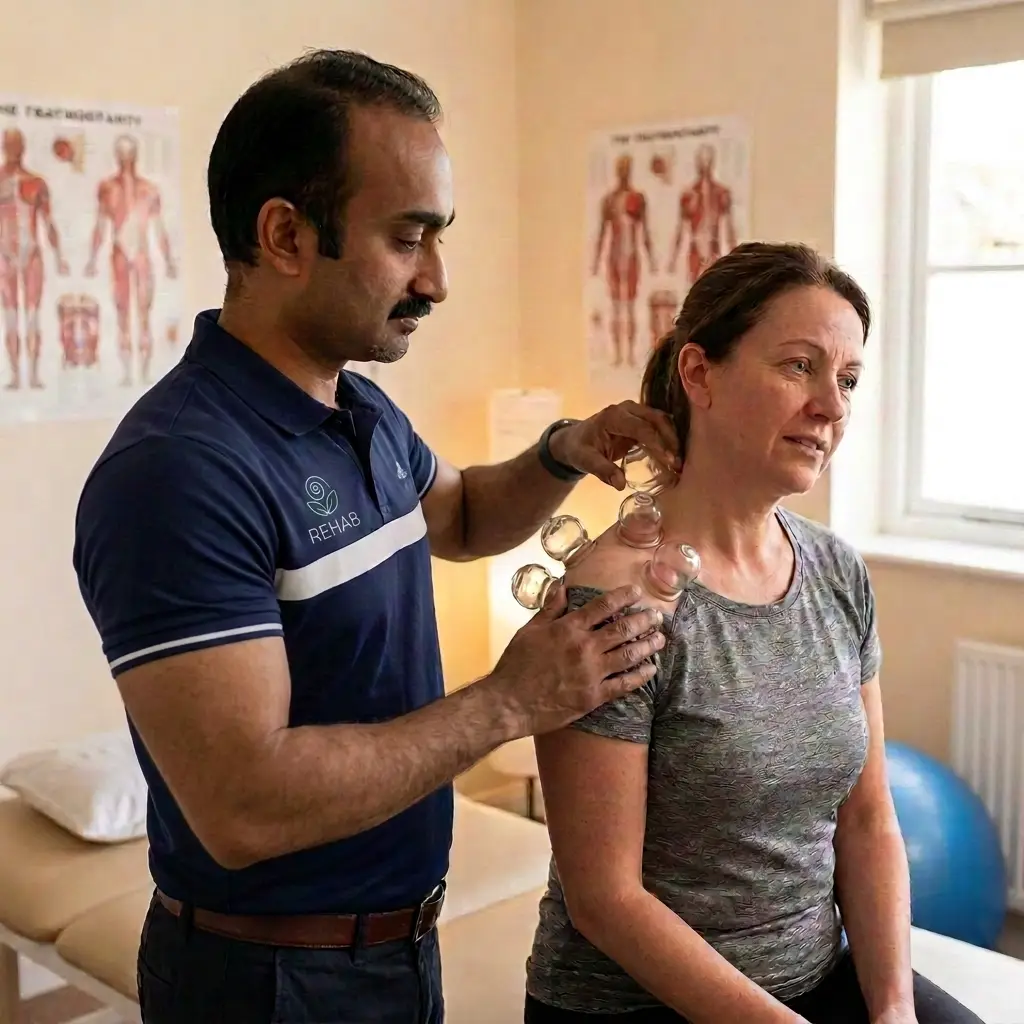
Cupping therapy is a hands-on clinical technique in which cups are positioned on the skin to generate gentle suction. This negative pressure draws tissue upward, encouraging increased local blood flow, loosening tight fascial layers and muscle fibres, and activating your body’s own healing mechanisms. At Cambridge Physiotherapy & Rehab Center in Cambridge, Ontario, cupping is often woven into physiotherapy or rehabilitation sessions to help address pain, restricted movement, and persistent muscle stiffness.

Many patients describe the sensation as a deep, decompressive stretch — quite unlike the compression of hands-on massage. Cupping may be considered for tension across the back and neck, tightness in the shoulders, post-activity muscle soreness, repetitive strain connected to prolonged desk work, and general muscular fatigue. Before any treatment begins, your therapist will take the time to understand your health history and goals to confirm whether cupping is a suitable and safe option for you.

Conditions and Symptoms Cupping Therapy May Help

At Cambridge Physiotherapy & Rehab Center, cupping therapy is incorporated as one component of a comprehensive treatment plan for a variety of soft-tissue and musculoskeletal concerns. Your clinician will carry out a thorough assessment first, determine whether cupping is clinically appropriate, and explain clearly how it may support your individual rehabilitation goals.

Neck & Shoulder Tension

Persistent tightness and stiffness affecting the neck, shoulders, and upper back.

Post-Activity Soreness

Muscle fatigue and soreness following workouts or physically demanding tasks.

Trigger Points & Muscle Sensitivity

Localised areas of heightened tenderness and ongoing muscular sensitivity.

Low Back Muscle Tightness

Reducing restrictions in soft tissue that may be limiting joint movement, posture, and overall physical function.

Postural Strain

Discomfort arising from extended periods at a desk or computer workstation.

Stress-Related Tension

Muscle tightness and discomfort linked to accumulated physical or emotional stress.

At Cambridge Physiotherapy & Rehab Center, cupping therapy is incorporated as one component of a comprehensive treatment plan for a variety of soft-tissue and musculoskeletal concerns. Your clinician will carry out a thorough assessment first, determine whether cupping is clinically appropriate, and explain clearly how it may support your individual rehabilitation goals.

physiotherapy-cupping-Cambridge

How Does Cupping Therapy Work During Your Visit?

Unlike most manual therapy techniques that apply compressive force, cupping works through negative pressure — lifting tissue rather than pressing into it. Your therapist positions cups on your skin, creates controlled suction, and the overlying layers of skin, fascia, and muscle are drawn gently upward. This decompressive effect can create space between tissue layers, promote local blood flow, and help muscles shift from a state of tension toward greater relaxation.

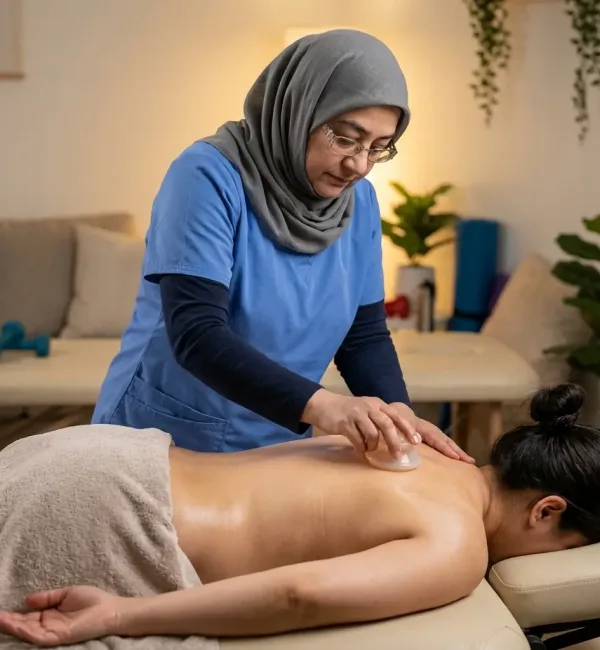
At our Cambridge, Ontario clinic, cupping is integrated into your overall rehabilitation session. Depending on your presentation and goals, your therapist may use static cupping — where cups remain in one position for several minutes — or moving cupping, where cups are glided slowly over the skin with a light lubricant to cover a broader area. Both approaches are adapted to your comfort and feedback throughout the session.

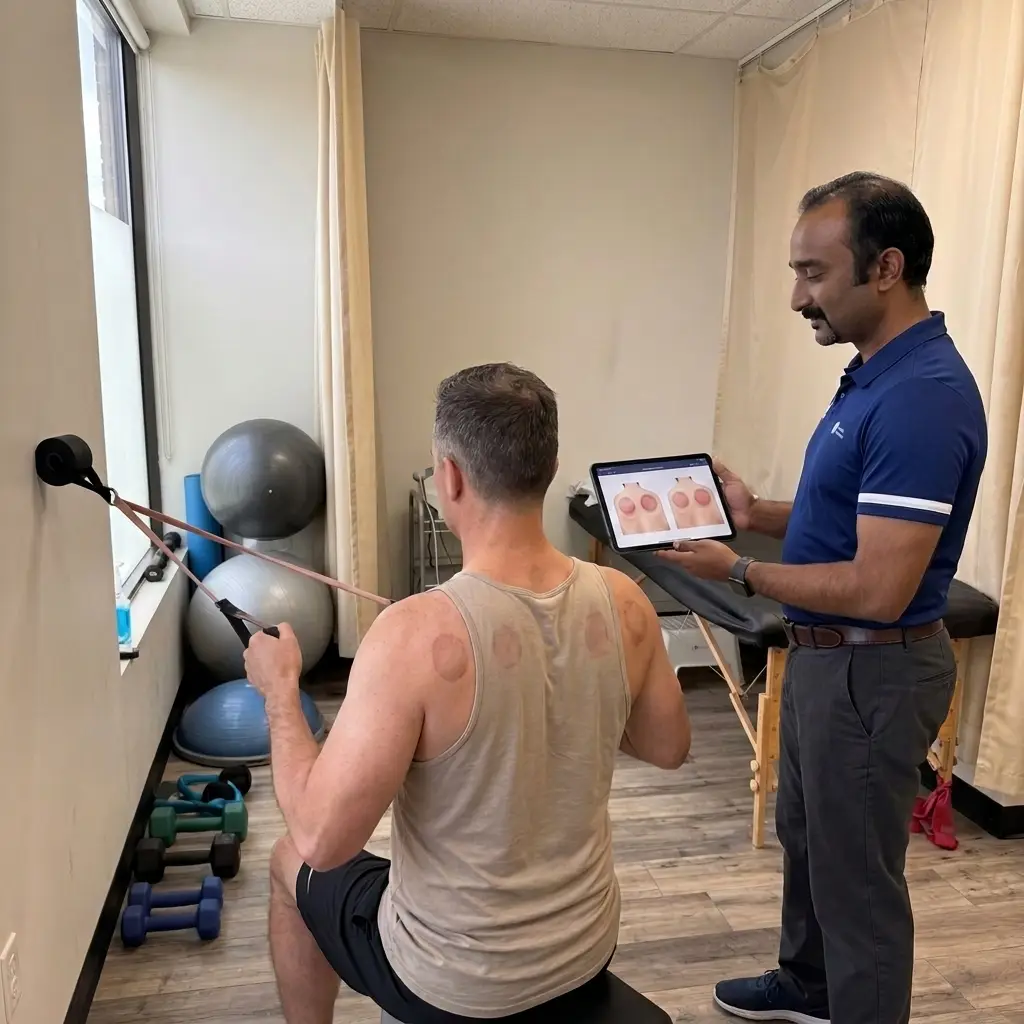
Circular marks or redness on the skin are common after cupping. These are not impact injuries but rather a localised response to increased circulation in the treated area. They are typically painless and fade within a few days. Your therapist will prepare you for what to expect and provide clear aftercare guidance before you leave the clinic.

What Should You Expect at Your Cupping Therapy Appointment?

At Myohealth Physio, dry needling is delivered as part of a genuinely hands-on, movement-focused approach to physiotherapy care. Treatment plans are built around a thorough assessment of your pain, activity level, and functional goals — not a one-size-fits-all protocol. Every recommendation, including whether dry needling is appropriate, is grounded in current musculoskeletal research and transparent clinical reasoning.

You will never be left wondering why a particular treatment is being used or what it is intended to achieve. Your physiotherapist takes time to walk you through each phase of your care, explain what the dry needling is targeting, and show you the exercises and strategies that will help maintain and build on the progress made in session. This collaborative, education-first philosophy helps you feel confident and engaged in your own recovery.

Our clinic is conveniently located in Brampton, Ontario and serves patients from communities including Heart Lake, Mount Pleasant, Bramalea, Castlemore, and downtown Brampton. Flexible scheduling and a welcoming environment make it straightforward to begin and stay consistent with your treatment — which is ultimately what supports the best outcomes.

Assessment

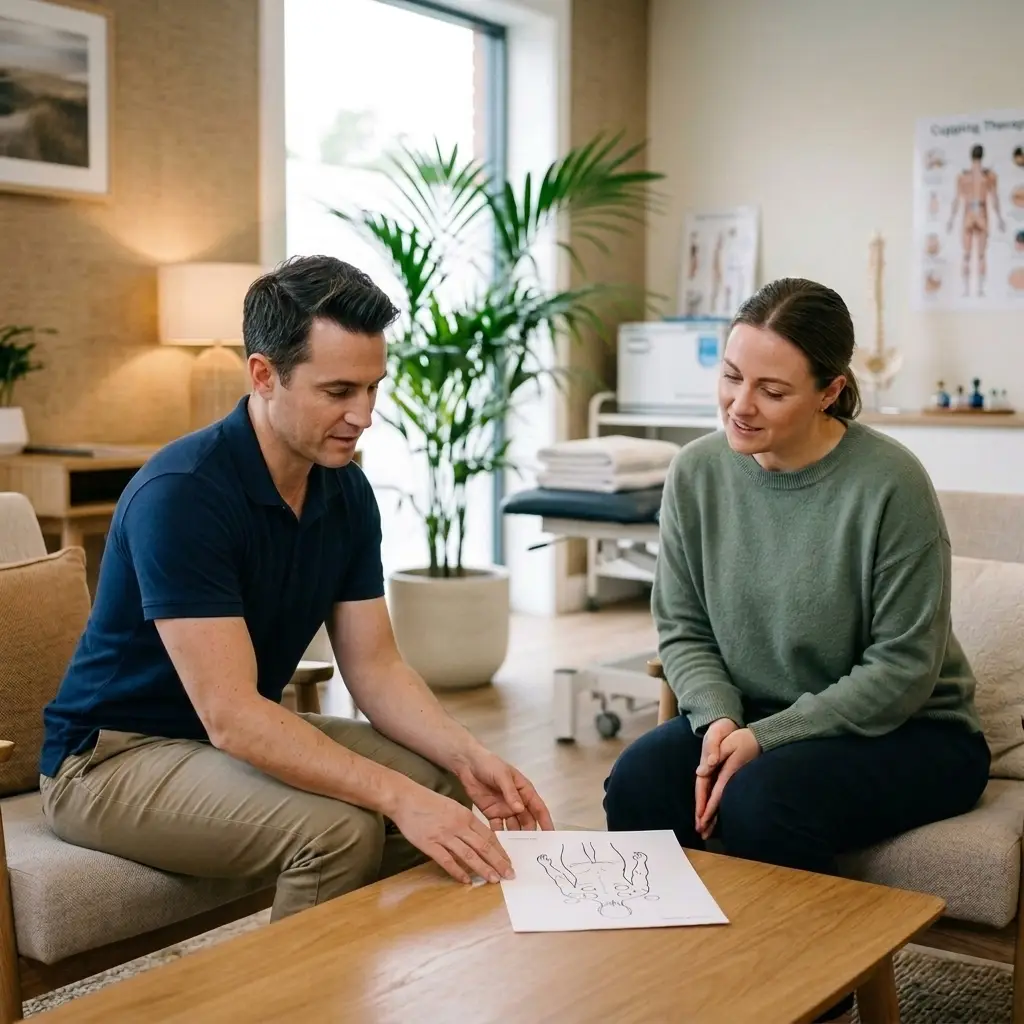
Your therapist reviews your health history, current symptoms, and activity demands, then explains how cupping may fit your treatment plan and obtains your informed consent.

Treatment

Cups are applied and adjusted based on your comfort and feedback. You may feel a firm pulling sensation; the session is paced to keep you at ease throughout.

Aftercare

You receive clear instructions on hydration, movement, and what activities to moderate in the hours following treatment to support your recovery.

Our Clinical Approach to Cupping Therapy in Cambridge

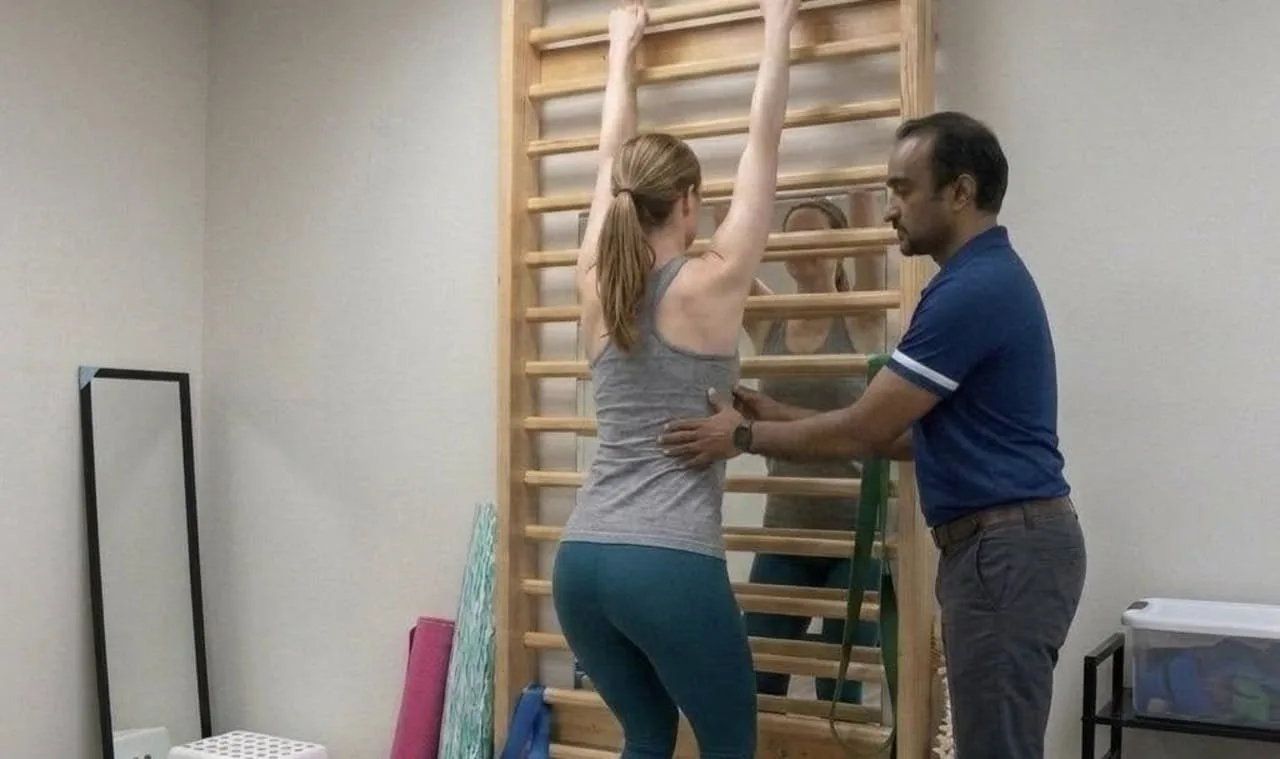
At Cambridge Physiotherapy & Rehab Center, cupping therapy is delivered within a structured clinical environment and is designed to work alongside physiotherapy, registered massage therapy, exercise programming, and patient education. Your therapist will draw on your assessment findings — movement patterns, areas of restriction, and your overall rehabilitation goals — to determine cup placement, duration, and technique selection that are appropriate for your condition.

Cupping alone is rarely the whole answer. It is most effective when used as one piece of a broader rehabilitation program that may also include progressive strengthening, flexibility and mobility work, postural strategies, and self-management tools you can use between appointments. This approach is designed to help you build lasting improvements rather than simply providing short-term relief.

Cupping-Therapy-Cambridge-1

Who Is Cupping Therapy For in Cambridge, Ontario?

Cupping therapy may be a fitting option for adults experiencing persistent muscle tightness, tension accumulated through office or physical work, or recurring soreness after activity — particularly when they are seeking a hands-on approach to complement physiotherapy or rehabilitation. We welcome patients from across the Cambridge area, including Galt, Hespeler, Preston, and surrounding communities.

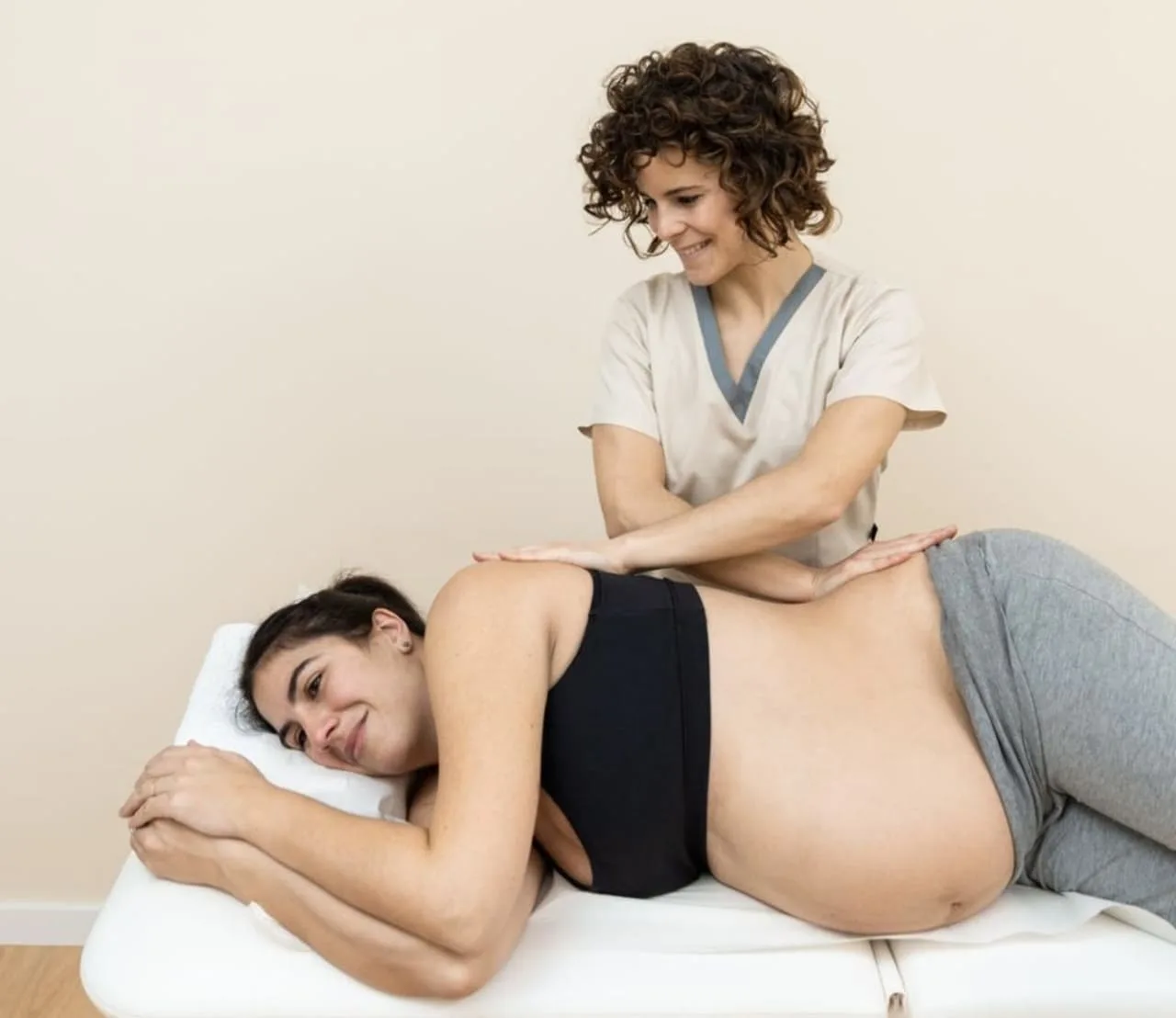
If self-directed stretching, foam rolling, or rest have not resolved your symptoms, cupping may offer a different pathway to relief when introduced as part of a supervised clinical plan. It is worth knowing, however, that cupping is not appropriate in all circumstances. Conditions such as certain skin conditions, bleeding disorders, active skin infections, or some stages of pregnancy may make cupping unsuitable.

Your therapist will screen carefully for contraindications at your initial assessment. Where cupping is not recommended, they will discuss other evidence-informed approaches that may be more appropriate for your situation and goals.

Cupping Therapy FAQs

Does cupping therapy hurt?
Cupping therapy should not be sharply painful. You will usually feel a firm pulling or stretching sensation as the cups create suction on your skin. Your therapist adjusts the pressure based on your comfort, and you can ask to reduce or remove cups at any time if the sensation feels too strong.
Cupping marks are common and many patients find they fade within a few days to about a week, depending on your skin and how strong the suction was. They are not typically bruises from impact but rather colour changes from increased local circulation. Your therapist will explain what to expect and normal healing timelines.
Cupping therapy is not appropriate for everyone. It is usually avoided over open wounds, infected skin, areas with impaired sensation, or in certain medical conditions, bleeding disorders, or some stages of pregnancy. Your therapist will review your health history first and only proceed if cupping appears safe and appropriate for you.
The number of cupping sessions varies with your condition, goals, and response to treatment. Many patients report noticing changes after one to three visits, while others may include cupping periodically over several weeks as part of a broader rehab plan. Your therapist will review expected timelines and reassess your progress regularly.

Cupping itself is not usually billed separately but may be part of a physiotherapy or other regulated therapy session, which some Ontario insurance plans may cover. Coverage depends on your individual policy, provider type, and limits. Our Cambridge, Ontario clinic team can help you review receipts and discuss direct billing options where available.

Book Cupping Therapy in Cambridge, Ontario

If muscle tension, postural strain, or lingering soreness has been holding you back, cupping therapy at Cambridge Physiotherapy & Rehab Center may be a valuable addition to your rehabilitation plan. We welcome patients from Cambridge and surrounding communities including Galt, Hespeler, Preston, and beyond.

Reach out by phone at (519) 219-5428 or use our online booking to schedule an initial assessment. Our team can discuss same-day appointment availability, direct billing options, and any questions you have before your first visit.

Areas We Serve

  • Cambridge
  • Preston
  • Hespeler
  • Galt
  • Breslau
  • Doon
  • Kitchener
  • And more

Your Guide to Navigating Recovery: Featured Blog Posts

Cambridge
Physiotherapy & Rehab Center

895 Langs Dr Unit #2, Cambridge, ON N3H 5T6, Canada

(519) 219-5428

Hours:

Monday: 9AM-5PM
Tuesday 9AM-8PM
Wednesday: 9AM-5PM
Thursday: 9AM-8PM
Friday: 9AM-5PM
Saturday & Sunday: Closed

Pick a form to download.

Right click, ‘Save As’ or ‘Download Linked File’ to save to your computer.